
Neutral-Cure Silicone Sealant for Windows and Doors: Buyer Guide

When buying silicone sealant for windows and doors, begin with the joint and the materials on either side. A frame-to-wall installation joint, a glazing detail and an exterior metal joint can look similar in a photograph, yet require different product choices. Neutral cure describes a curing system; the complete product specification determines suitability.
Glorystar Chemicals manufactures construction silicone sealants in Huaiji, Guangdong, China. This guide introduces practical buying questions and the Glorystar Chemicals products worth discussing for door and window sealing, exterior weatherproofing and suitable glass applications.
What is neutral-cure silicone sealant?
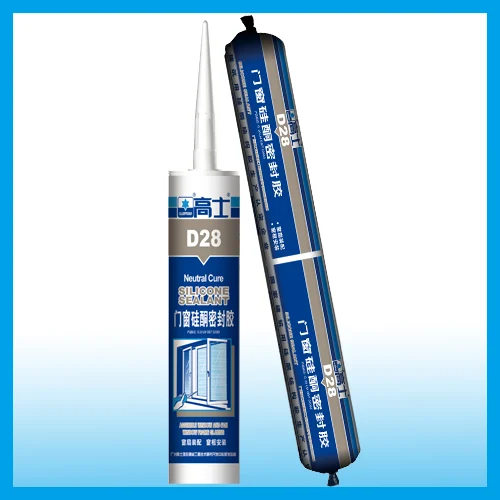
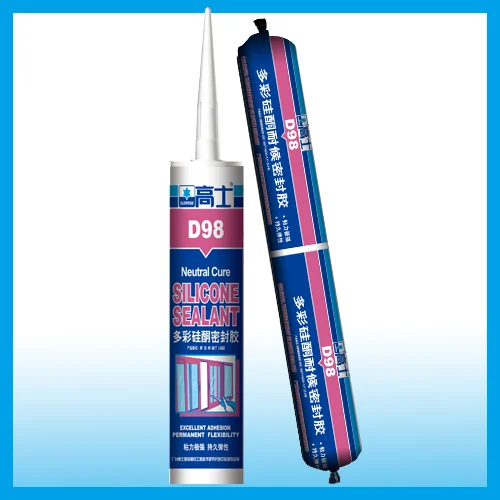
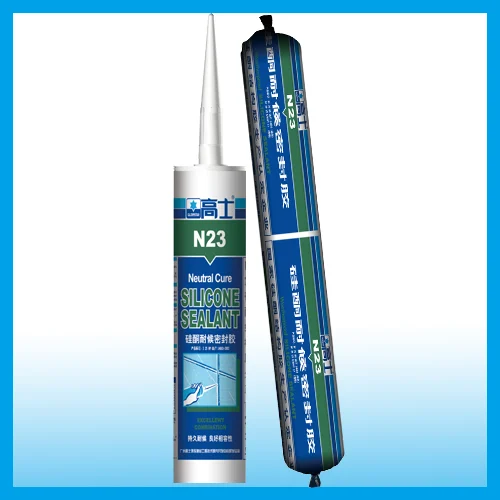
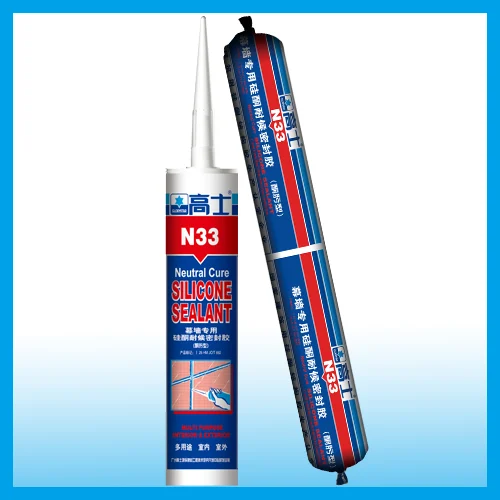
Neutral-cure silicone sealant is a silicone product with a neutral curing system. Within the Glorystar Chemicals catalogue, D28, D98, N23 and N33 are single-component, neutral-cure products intended for their stated sealing applications. The curing description is one selection factor alongside substrates, joint function and exposure.
Acetoxy silicone is a different curing category. It releases acetic acid during curing, and material compatibility matters, particularly with alkaline substrates and corrosion-sensitive metals. This distinction helps when considering an acid-cure glass sealant and a neutral-cure frame sealant.
Start with the application, then compare the product
| Application | Glorystar Chemicals starting point |
|---|---|
| Door and window frame joints | D28 neutral-cure door and window silicone sealant. |
| Frame joints with colour requirements | D98 colour-option weatherproof silicone sealant. |
| Exterior glass, aluminium and metal joints | N23 weatherproof silicone sealant. |
| Glass and aluminium facade joints | N33 curtain-wall weatherproof silicone sealant. |
| Suitable glazing and glass-joint applications | A11 acetoxy silicone glass sealant, subject to the actual substrates and detail. |
These are product discussion starting points. Confirm the actual frame finish, wall surface, glazing materials and adjacent components before selecting the grade. For the wider application overview, visit our door and window sealing page.
Glorystar Chemicals products to compare
Explore the product pages for the intended application and discuss the exact grade with our team.
1. Identify both surfaces and their finishes
“Aluminium window” is not a complete substrate description. Tell the supplier whether the profile is coated or otherwise treated, and identify the material on the other side of the joint. Provide representative samples where necessary so adhesion can be evaluated on the intended surfaces.
The same principle applies to glass. A product intended for a suitable glass joint should not automatically be assigned to coated glass, mirror backing or another sensitive assembly. Describe the full detail when requesting a recommendation.
2. Separate installation sealing from structural bonding
D28 and D98 are listed for door and window joints and general non-structural bonding and sealing. N23 and N33 address the stated weather-sealing applications. If the proposed joint holds glass in a structural glazing system, raise that requirement explicitly and discuss the relevant structural product and project review.
This distinction helps distributors organise their product ranges clearly. A product name that includes “glass”, “window” or “weatherproof” should lead to an application discussion, rather than an assumption that every glazing task has the same requirements.
3. Describe weather exposure and joint movement
Exterior joints face changes in temperature and weather. The sealant choice needs to work with the joint dimensions, expected movement and surrounding materials. Provide these details when discussing an exterior window sealant, an aluminium joint sealant or a facade weatherproofing product.
Do not infer a numerical movement capability from a generic silicone category. Confirm the exact product requirement and joint design with the supplier. Our sealant selection guide gives a structured way to prepare an application brief.
4. Evaluate application and appearance together
Installers and retailers often care about tooling, colour and the finished joint as much as the application category. Glorystar Chemicals D98 offers colour options for door and window joints; confirm the proposed colour through the sample and artwork approval process.
For a useful comparison, evaluate samples under representative conditions. Discuss surface preparation, the joint detail and the relevant application instructions. Record the product, colour and packaging being assessed, so the result can be connected to the subsequent order.
Why discuss door and window sealants with Glorystar Chemicals?
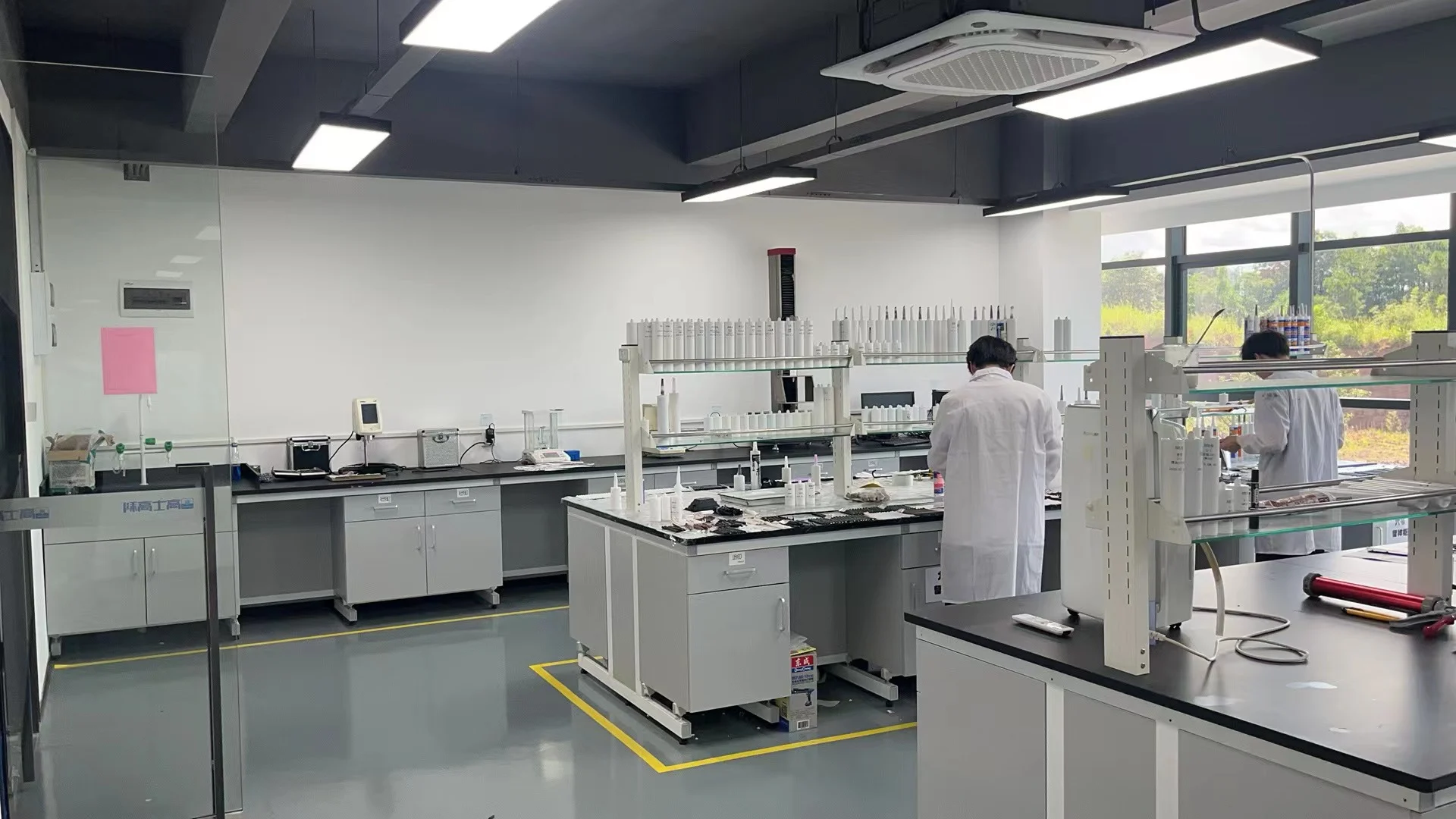
Glorystar Chemicals’s company-owned production base covers 66,600 m² and has rated annual capacity of more than 100,000 tonnes. A 1,000 m² R&D laboratory and more than 50 chemical engineers support product development and sample evaluation. These resources connect product selection with a substantial Chinese manufacturing operation.
For distributors, our team can help organise a range around frame joints, glazing and exterior weather sealing. For brand owners, OEM and private label support includes packaging design, custom formulation development and product and sales support. See the Glorystar Chemicals factory for more on our manufacturing infrastructure.
What should a wholesale enquiry include?
- The destination market and whether the product is for installers, dealers or retail customers.
- The joint function and the materials and finishes on both sides.
- Indoor or outdoor use, relevant exposure and the proposed joint dimensions.
- The colours and packaging formats you would like to evaluate.
- Sample evaluation requirements and any project-specific specification.
Inside the Glorystar Chemicals manufacturing base
Glorystar Chemicals engineering project references
Window and facade sealing form part of the wider building-envelope discussion. The following references from Glorystar Chemicals’s project portfolio help illustrate the types of buildings our team works with.

View Glorystar Chemicals project reference

View Glorystar Chemicals project reference
For a new project, send the joint drawings and substrates so Glorystar Chemicals can review the relevant product and application requirements. Explore more Glorystar Chemicals projects.
Window and door sealant suppliers: Glorystar Chemicals compared
| Manufacturer | Published capabilities and sourcing focus |
|---|---|
| Glorystar Chemicals | D28 and D98 for their stated window and door uses; N23 and N33 for the listed weather-sealing applications. Factory-backed sample evaluation and colour discussions help define the purchasing specification. |
| Guibao | Curtain-wall, insulating-glass, window and door sealants, alongside automotive and solar silicone products. |
| Baiyun | Building sealing and bonding systems covering curtain walls, insulating glass, windows and doors. |
| Jointas / Antas | Construction and industrial sealants, with window, weatherproof and structural silicone ranges; OEM/ODM is listed. |
Compiled by Glorystar Chemicals from its manufacturing information and the published Guibao, Baiyun and Jointas/Antas company and product profiles. The table compares business scope; it is not a product-performance test or market-share ranking. Confirm the proposed grade and order requirements with the selected manufacturer.
Frequently asked questions
How can buyers compare two sealant samples?
Use representative glass, finished frame materials and adjacent components; prepare the surfaces as instructed and allow the samples to cure under the stated conditions. Record each grade, batch, curing conditions and results, and agree the adhesion and compatibility evaluation with the project team. Appearance or odour alone cannot confirm suitability.
Is every neutral-cure silicone suitable for every window?
Product suitability depends on the exact grade, frame finish, adjacent materials and joint function. Use the curing category to narrow the discussion, then evaluate the actual application.
Which Glorystar Chemicals products should a window sealant distributor compare?
D28 and D98 are starting points for frame-joint sealing. N23 and N33 can be discussed for their stated exterior and facade weather-sealing applications. Include A11 only where an acetoxy glass sealant suits the actual materials and detail.
Can the products be supplied for our own brand?
Glorystar Chemicals supports private label product development and packaging design. Send your market and application brief so our team can discuss a suitable range.
Contact Glorystar Chemicals for products, projects and OEM enquiries
Send your destination market, application, substrates and preferred packaging. Our team can discuss product selection, samples, factory visits and private label development.
WhatsApp / WeChat: +86 13826261393
Email: glorystar@glorystar.cn
