Glorystar Chemicals · Construction Silicone Sealant Treatment Solutions

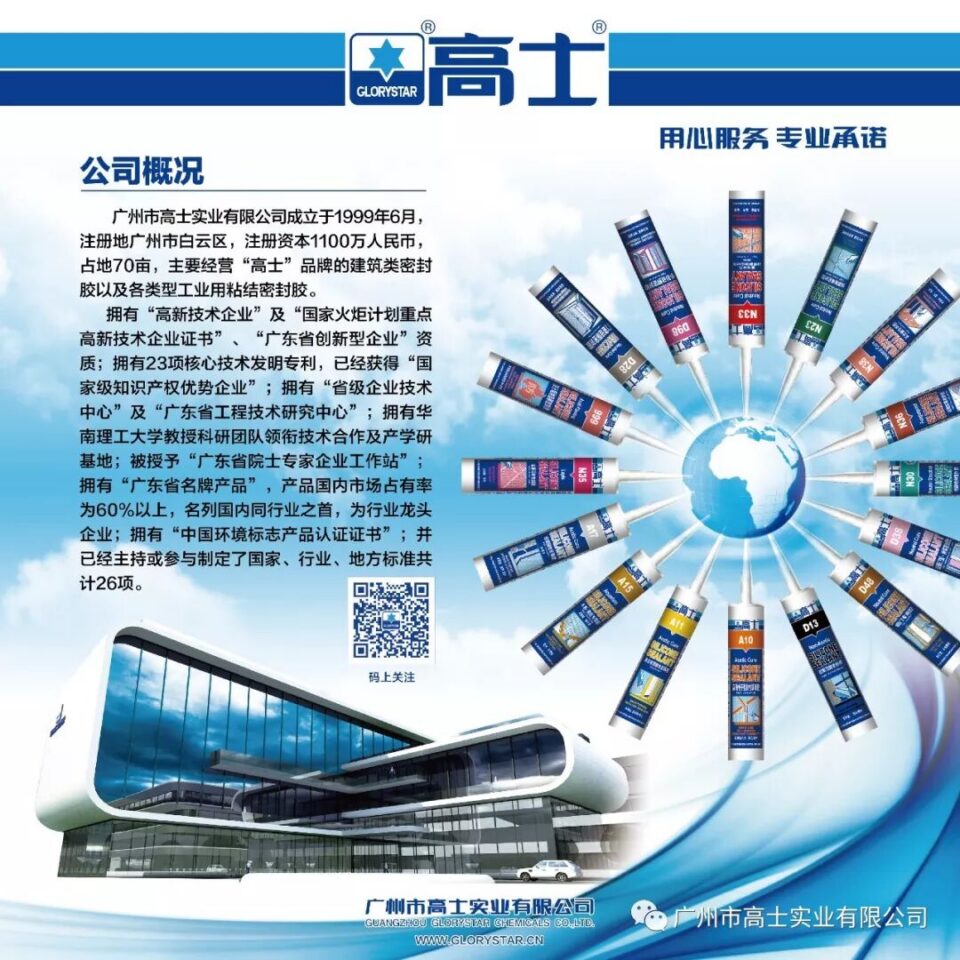

Construction silicone sealants can be classified by the small molecules released during curing as alcohol-type, ketoxime-type or acid-curing.
(1) Alcohol-type sealant: It releases alcohol compounds during curing and is described as non-corrosive and irritating. It is suitable for most substrates, with few substrate restrictions.
(2) Ketoxime-type sealant: It releases methyl ethyl ketone oxime during curing. This compound is safe for most substrates but may corrode some materials. It is particularly corrosive to copper, so the sealant must not be used on copper substrates. Because the coating on coated or mirror glass may be unknown, carry out a compatibility test before use to confirm that the sealant will not cause corrosion.
(3) Acid-curing sealant: It releases acetic acid during curing, which is highly corrosive to concrete, porous stone and various metal materials. It must not be used on these substrates. It can be used on aluminium because the surface has a protective oxide film or coating.
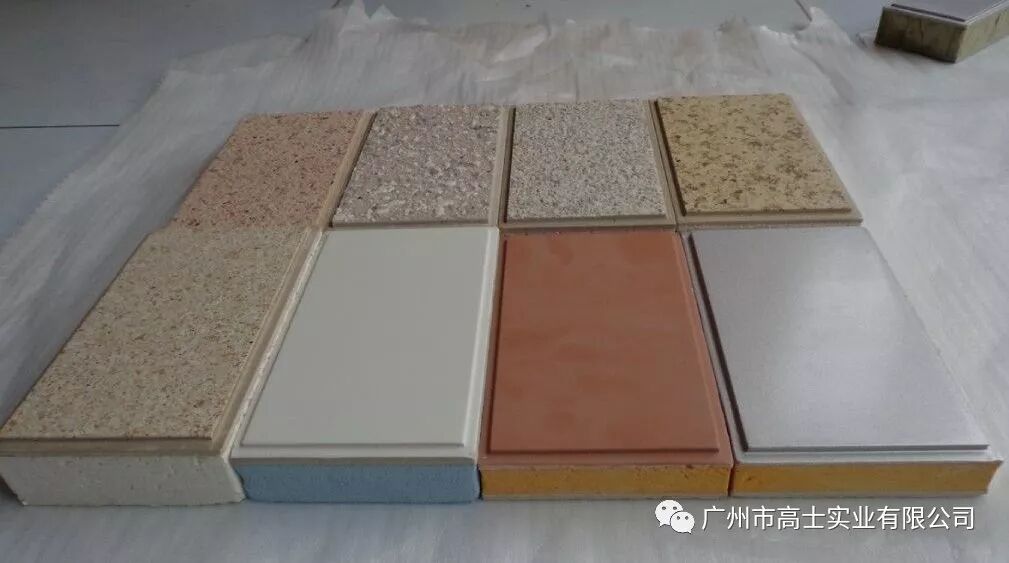

1. The facing materials used for insulated decorative integrated panels mainly include aluminium sheets, fibre-cement boards (calcium-silicate boards) and natural stone.
2. Because aluminium panels have a high coefficient of thermal expansion, select a weather-resistant sealant with high movement capability.
3. Fibre-cement boards from different manufacturers vary in formulation and production process, which affects properties such as density, water absorption and compatibility with silicone weather-resistant sealant. First carry out adhesion and water-immersion tests to determine whether a primer is needed to improve adhesion.
4. For natural stone, choose a stone sealant that will not stain or contaminate the surface.
5.Construction Guide:
(1) Personnel requirements: Construction personnel must have a strong sense of responsibility and understand that curtain-wall safety and reliability are closely related to construction quality. They must be familiar with sealant application procedures, bonding and sealing techniques, and construction tools. They must understand the bonding and sealing locations and supporting-material requirements specified in engineering drawings, know how to troubleshoot bonding and sealing failures, and have basic technical-safety knowledge.
(2) Construction environment: The ambient temperature should generally be between 5 °C and 40 °C, with a relative humidity of 40%–80%.
(3) Remove all oil, dust, moisture, old sealant and other contaminants from the substrate surface.
(4) Mask the areas around the joint to ensure neat, straight sealant lines.
(5) After applying the sealant, tool it promptly before a skin forms. Remove the masking tape immediately after tooling.
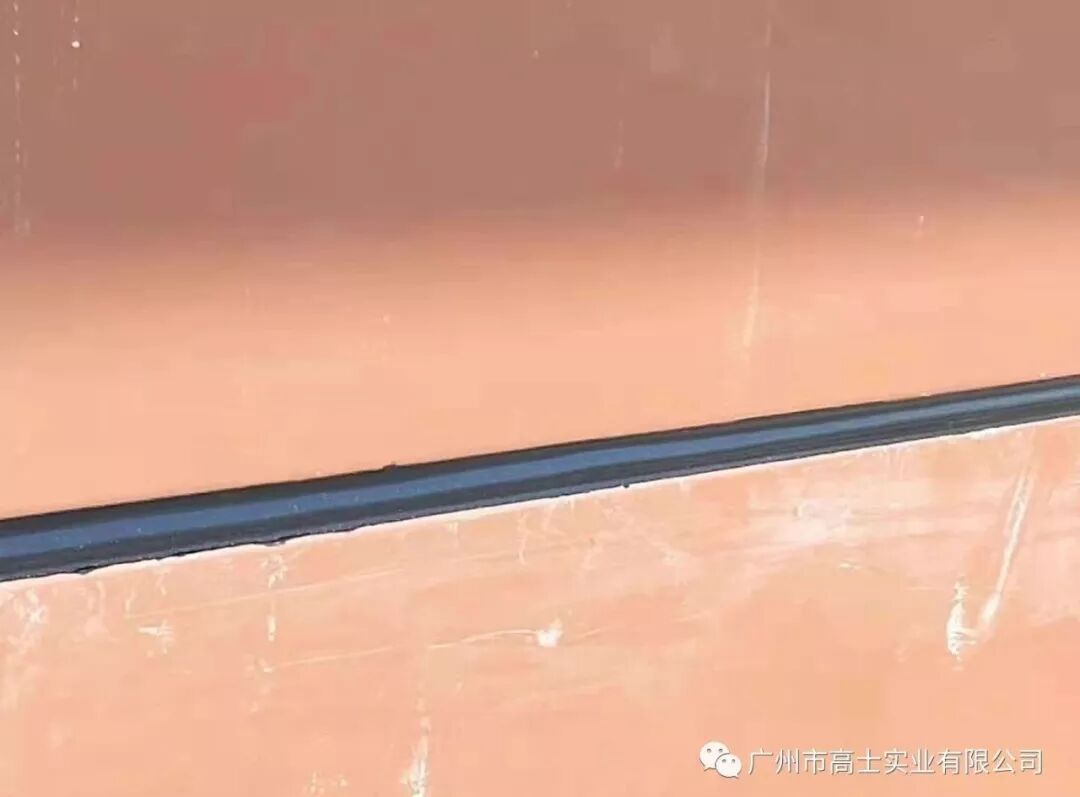

Causes:
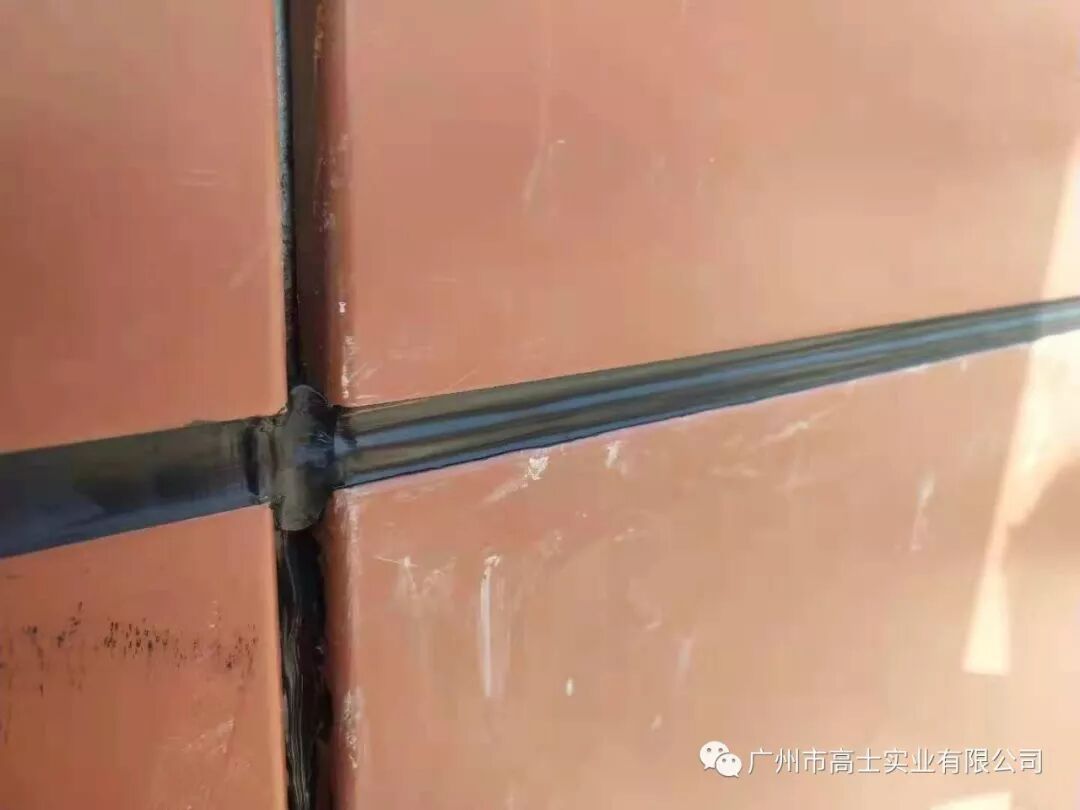
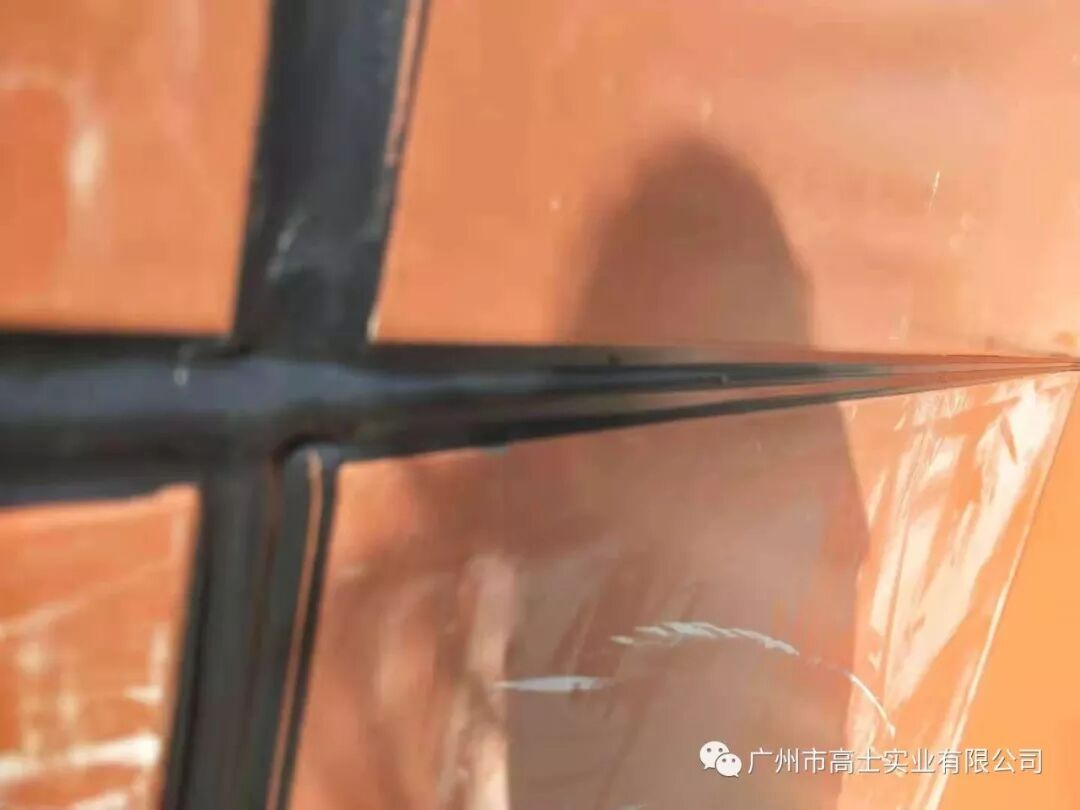
Thermal expansion and contraction of the substrate can displace and visibly deform the sealant joint. This can result from several factors, including the sealant curing rate, ambient humidity, temperature differences between day and night, joint width, and panel material and size. The phenomenon occurs mainly in spring and autumn in northern China, when relative humidity is low and day-to-night temperature differences are large.
Solution:
(1) Choose a sealant that cures relatively quickly.
(2) Apply suitable shading measures.
(3) Choose an appropriate time for application, when the aluminium panel is warmer.
(4) Reapply sealant to raised joints that affect the curtain wall’s overall appearance. Joints that do not affect the overall appearance may be left as they are.
(5) The sealant bead should not be too thick, but its depth must be at least 5 mm. The finished bead should have an hourglass profile.
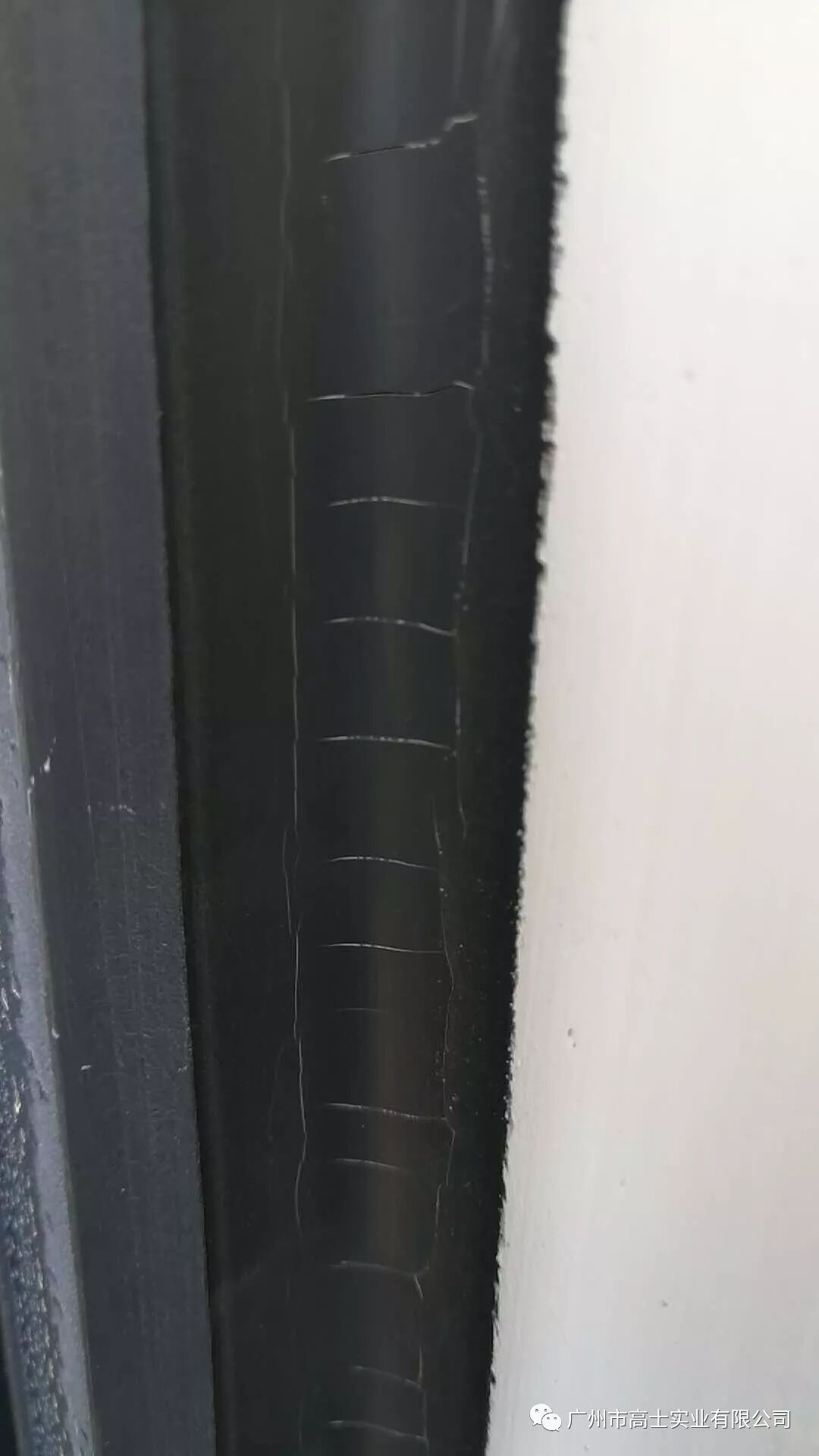
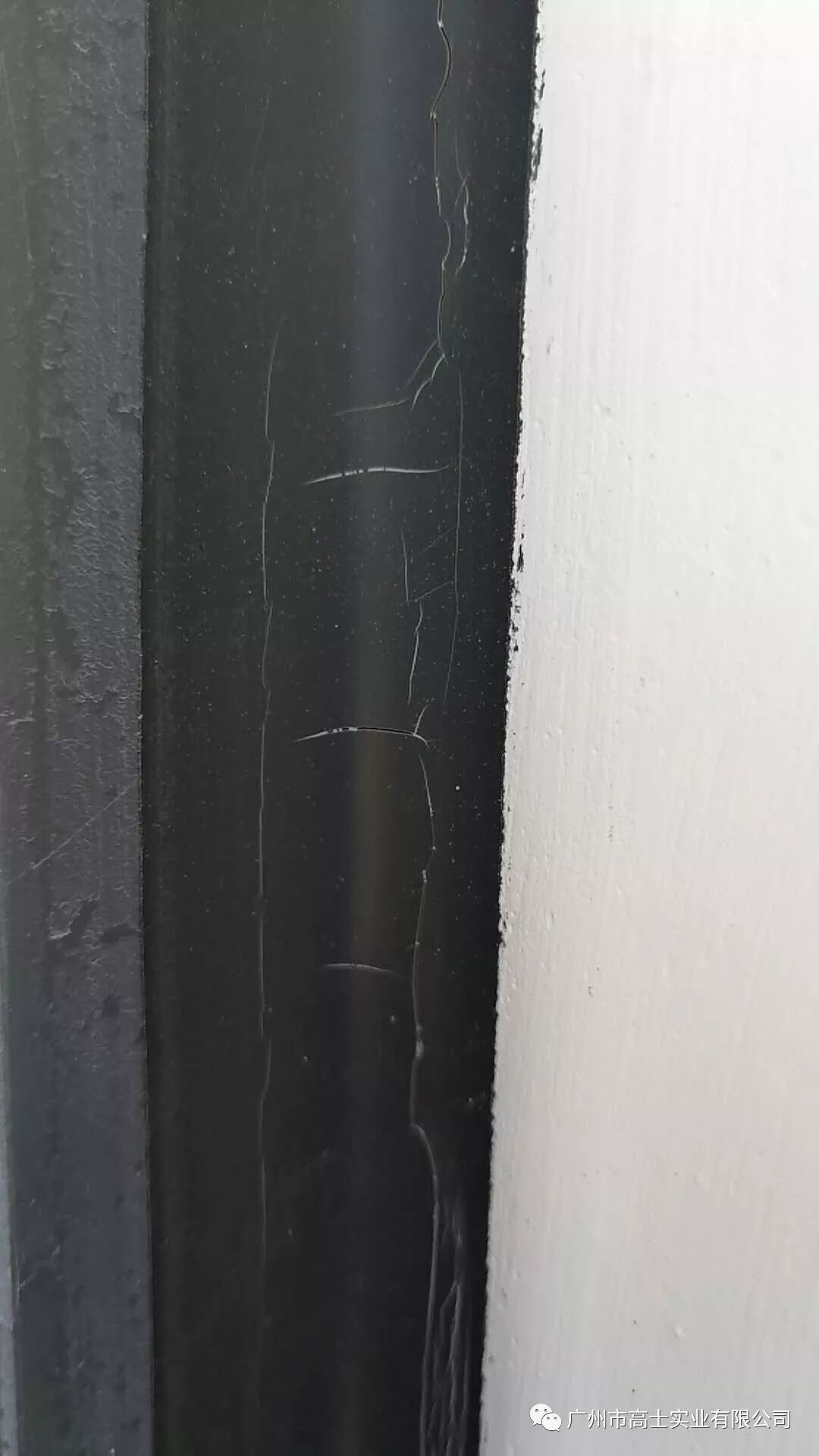

Reason ①: This issue often occurs in aluminium-plastic panel and aluminium panel curtain wall projects during seasonal changes. Large day-to-night temperature differences can significantly affect substrates with high thermal expansion coefficients, such as aluminium-plastic panels, aluminium panels and PVC. As temperatures rise and fall, these materials expand and contract to varying degrees, and the sealant in the joint moves with them. Fully cured sealant can withstand substantial movement and deformation, while uncured or partially cured sealant has less capacity to do so and may bubble or crack.
Solution
(1) During seasons with large temperature differences, apply sealant on sun-exposed sides during cooler periods, when the joints are wider. On shaded sides, carry out application around midday or during warmer periods in the morning or afternoon.
(2) During construction, install sunshades on sun-exposed sides to prevent direct sunlight from causing the sealant to bubble or crack.
(3) Do not apply sealant when the ambient temperature is too low (below 10 °C).
(5) In summer, avoid applying sealant during periods of high temperatures.
Reason ②: The wrong sealant was selected, and its movement capability does not meet the joint’s movement requirements.
Solution:
Choose a sealant with appropriate displacement capacity. For example, aluminum panel curtain walls use high-displacement weather-resistant sealant, and door and window glue cannot be used.
Reason ③: The joint underwent excessive deformation during the sealant’s early curing stage.
Solution:
Choose glue that cures quickly. In the early stage of curing, there should be no joint deformation caused by external forces.


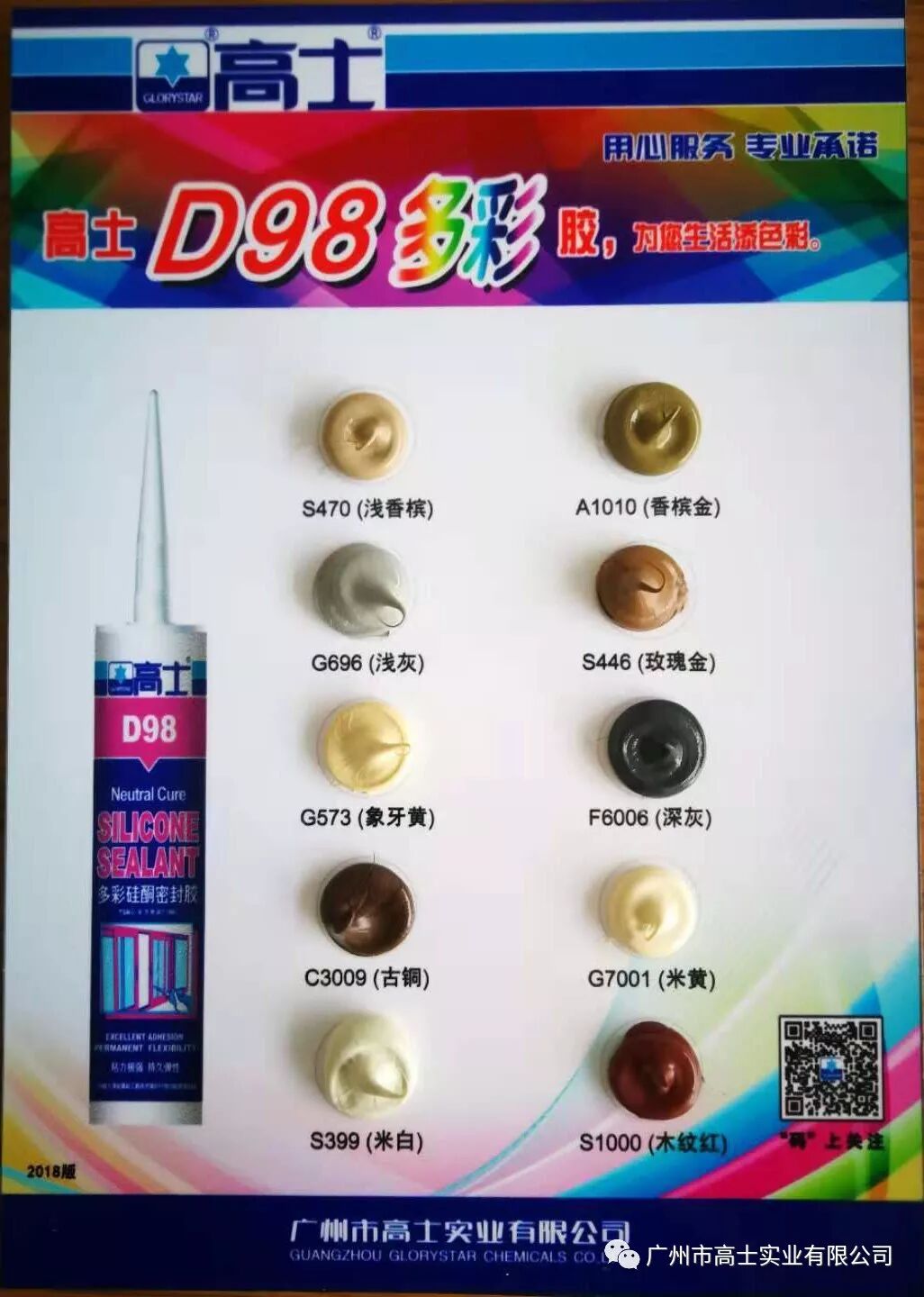

Tinted sealants have two main limitations:
(1) Tinted sealant has a shorter shelf life than ordinary sealant.
(2) The colour of cured sealant fades over time;
Options: choose a high-quality colour paste or a high-quality tinted sealant.
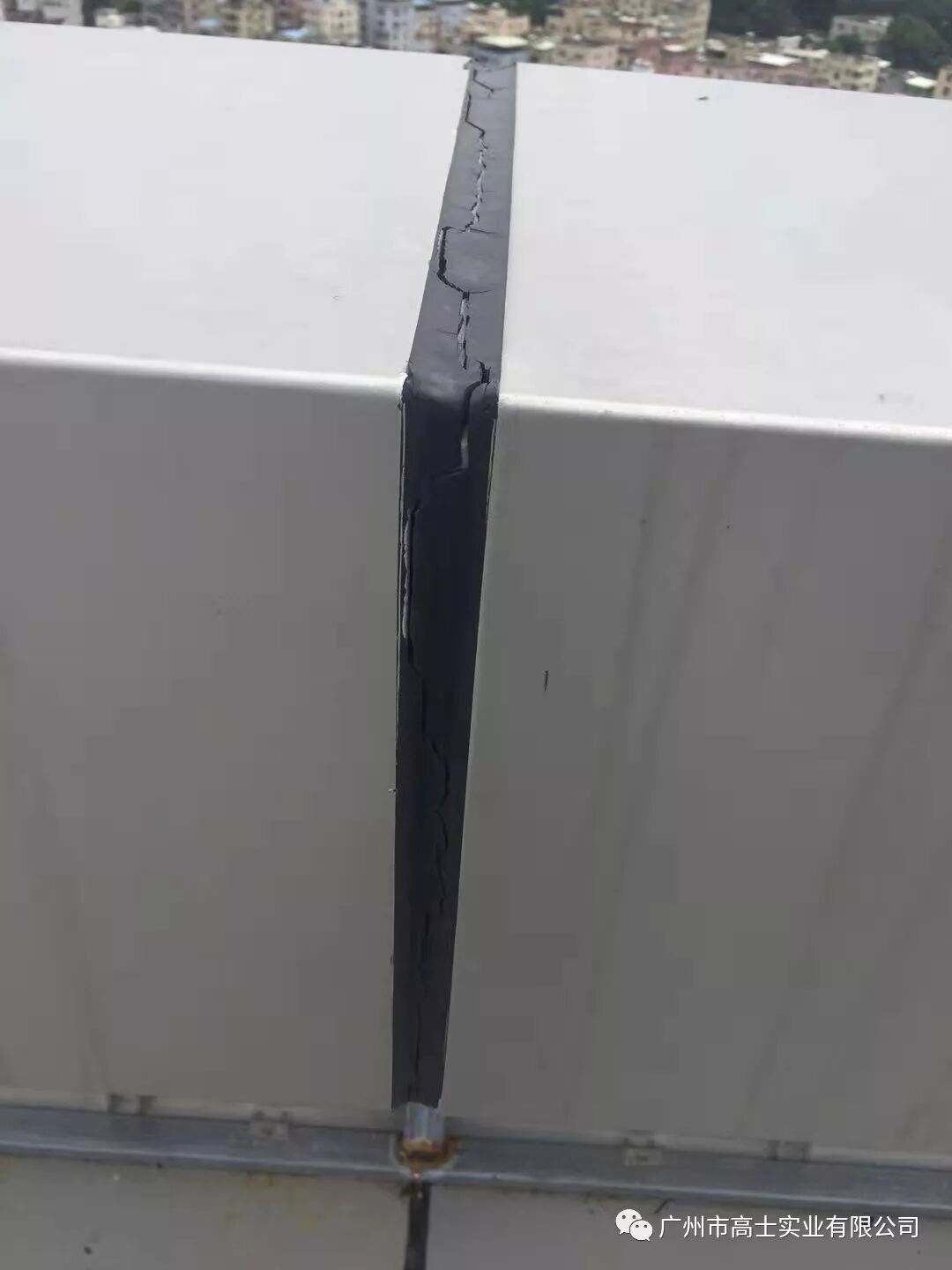
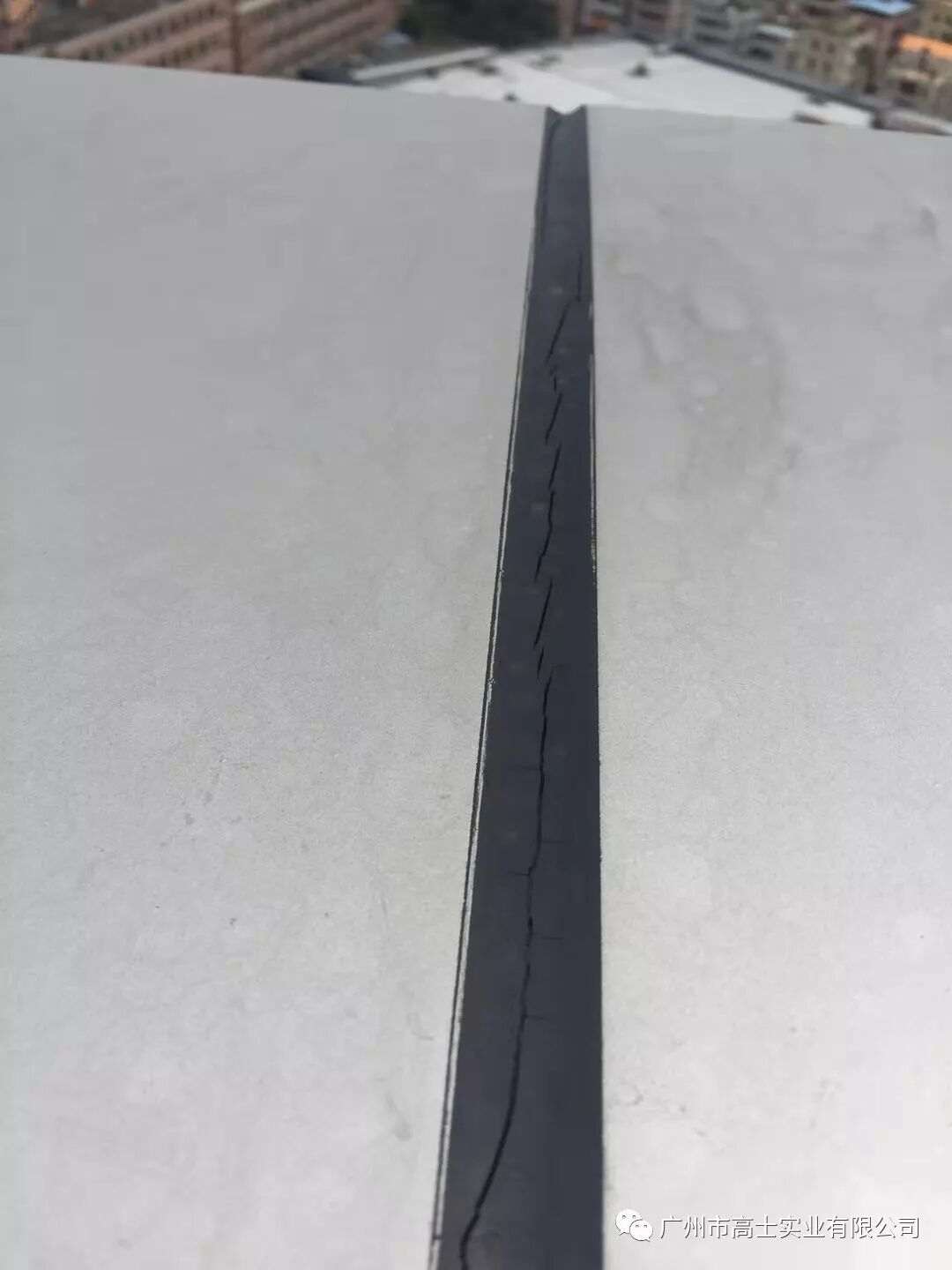

In service, sealants used in building joints must accommodate width changes caused by the external environment. Movement capability is therefore a key performance indicator. Weatherproof curtain-wall sealants are commonly classified as Level 20, Level 25, Level 35, Level 50 and +100/−50, among others. A Level 35 rating means the sealant can accommodate a change in joint width of ±35%.
(1) Select a weatherproof sealant with a movement capability appropriate to the joint design.
To ensure durable, long-term weatherproofing, joints must be designed correctly. Design problems can make reliable performance difficult to achieve. Joint design mainly involves two factors: matching the joint width to the sealant’s movement capability, and specifying the sealant depth.
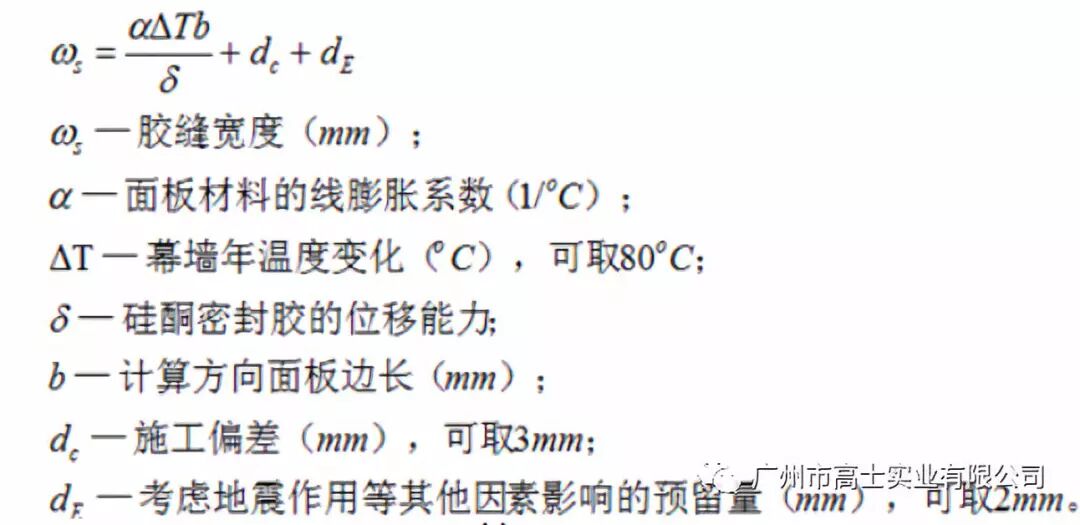
The silicone weatherproof sealant joint should be at least 6 mm wide and must accommodate the panel’s deformation requirements. Temperature-induced movement can be calculated in accordance with Section 4.3.9 of the Technical Specifications for Glass Curtain Wall Engineering (JGJ 102). The formula is as follows:
(2) Select a weatherproof sealant with a greater movement capability.
For example, if a project is designed for joints rated at Level 25, using a sealant rated Level 35 or higher can provide additional movement capacity. In practice, material tolerances or installation deviations may leave some joints narrower than specified, as shown below. For the same absolute movement, a narrower joint undergoes a greater percentage change in width. If the joint cannot accommodate that movement, local cracking or loss of adhesion may occur. A weather-resistant sealant with suitable movement capacity should therefore be selected for the joint design.

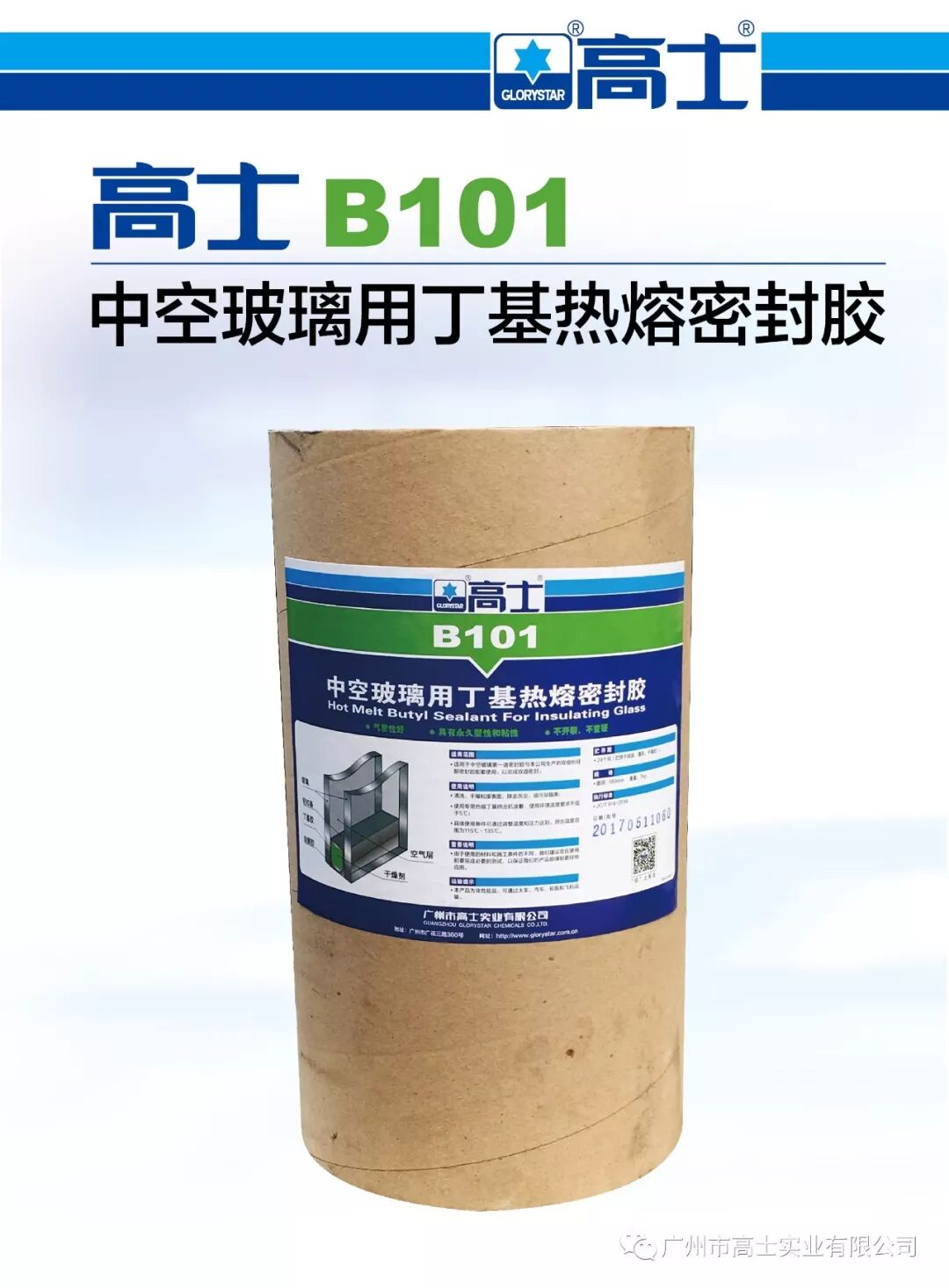

Insulating glass units are usually sealed using a two-seal process. The primary seal is hot-melt butyl sealant, which provides the main seal. The secondary seal is polysulfide or silicone sealant; its elasticity provides additional sealing, cushioning and protection. The two seals work together, and both are essential.
The “tears” seen in insulating glass are caused by the primary butyl sealant softening and flowing down the inner glass surface.
Butyl rubber is a uniform, non-polar polymer material composed of polyisobutylene and butyl rubber. When it comes into contact with non-polar solvents, such as white mineral oil, the material can dissolve and flow.
Butyl sealant may flow for two reasons. First, as a hot-melt sealant, it may soften and flow at high temperatures. Second, it may dissolve on contact with a non-polar solvent such as white mineral oil.
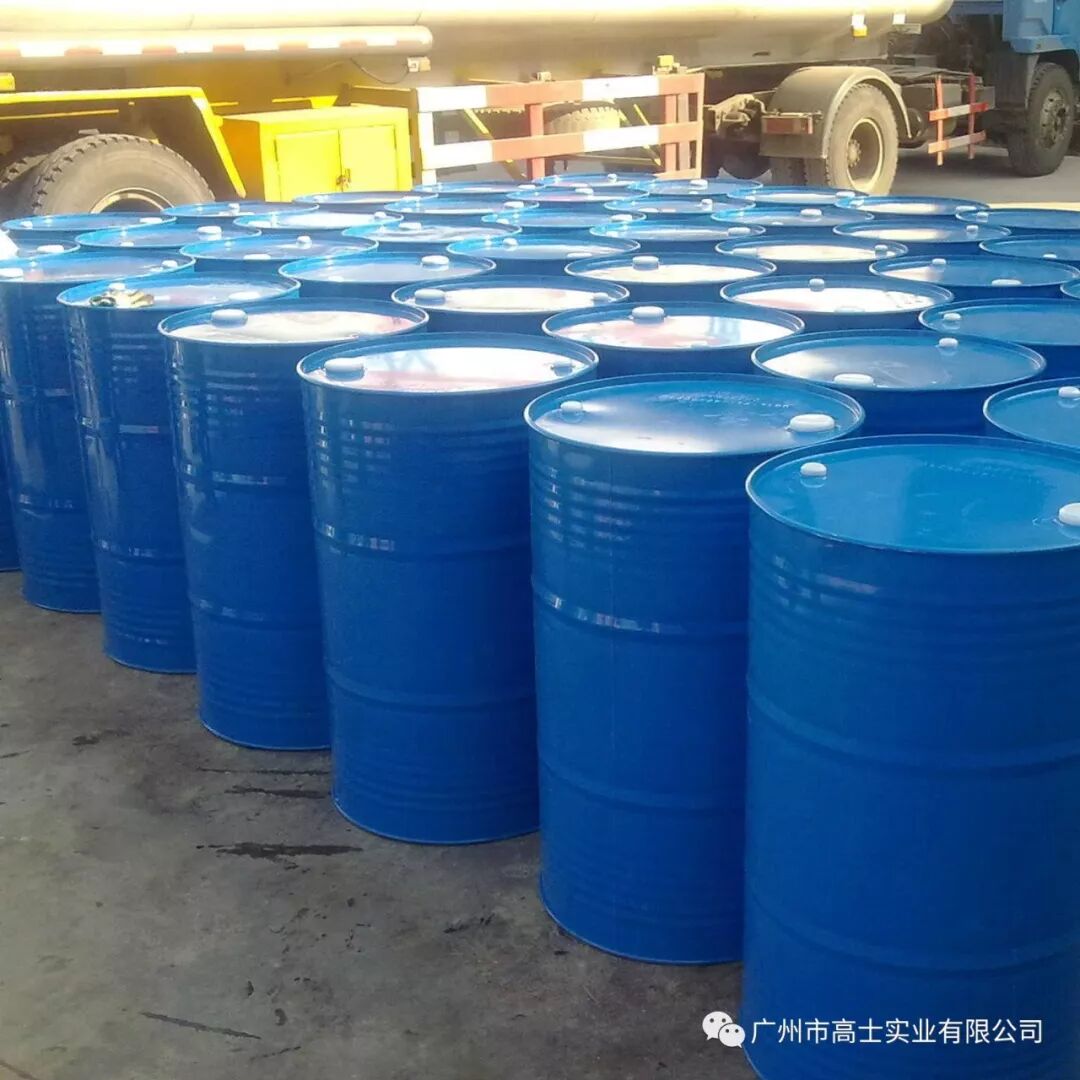

(1) “Oil-filled” sealant has long been a serious concern in the silicone sealant industry and may pose a risk to curtain wall, door and window safety.
(2) In a 5,000-hour UV ageing test, the elasticity of the “oil-filled sealant” dropped sharply, and the material hardened after only 500 hours. After 3,500 hours, serious adhesion problems also developed, and the material detached from the substrate.
(3) Cured “oil-filled sealant” may initially appear to retain its elasticity. Over time, however, the industrial white oil added to the sealant migrates and diffuses out. The sealant may then harden, crack or lose adhesion.
(4) The quality warranty period for building curtain wall projects is usually at least three years; the anti-leakage warranty is generally at least five years. Industrial white oil in oil-filled sealants usually takes six months to two years to evaporate. The source article states that this makes cracking, hardening and similar problems during the warranty period almost certain. Leakage at building joints or detachment of panels can lead to high maintenance costs. “Oil-filled sealant” may reduce material costs during construction, but the source article argues that the long-term costs to users are much higher when service life and safety are considered.
(5) “Oil-filled sealant” can also cause staining on aluminium panels and other surfaces through oil migration. This differs from vertical streaking, and the staining is irreversible and cannot be removed by cleaning. Owners and designers may be dismayed to see a finished project stained in this way.
(6) When oil-filled silicone weatherproof sealant comes into contact with insulating glass, the industrial white oil it contains can migrate into the insulating glass and dissolve the butyl sealant used to seal it, leading to oil migration and iridescent effects. As a result, even glass from leading brands with good energy-saving, light-transmitting and thermal-insulation properties may be affected by the “oil-filled sealant”.

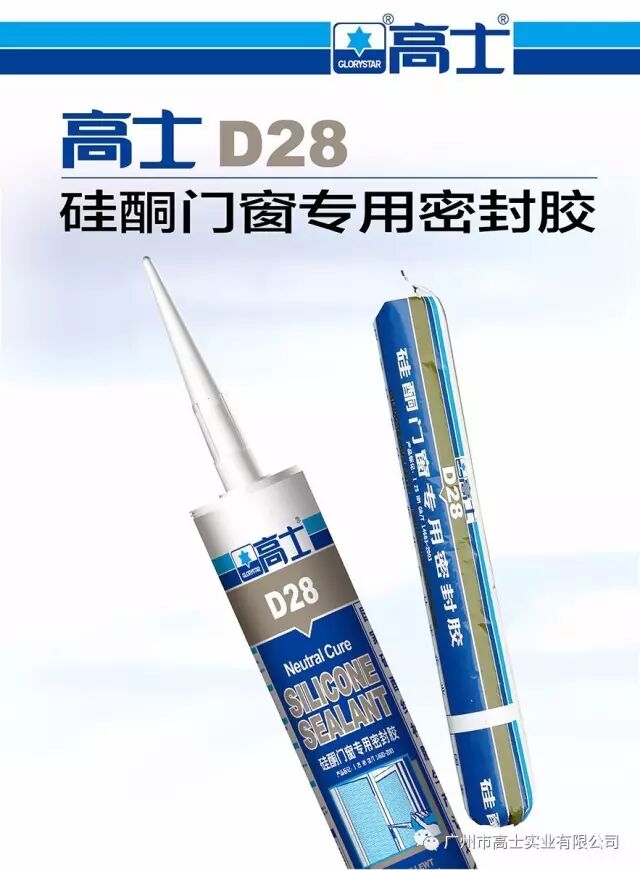

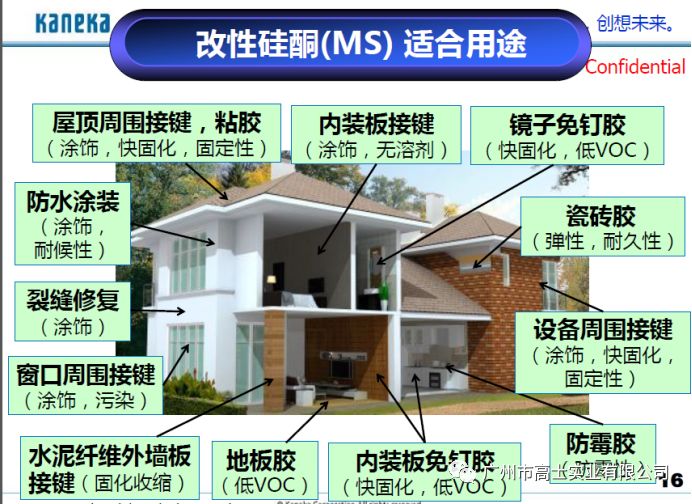
(1) Window sash sealant is applied between the window sash and the glass. It is mainly used to seal and waterproof joints between aluminium frames and glass. Because these components are fixed, the sealant generally does not need a high movement capability.
(2) Window frame sealant is used when installing doors and windows, mainly between the frame and the wall to provide a seal and prevent water ingress. Walls and window frames expand and contract as temperatures change, so the sealant must accommodate joint movement. A movement capability of Level 20 or higher is recommended. The sealant must also bond to cement-based substrates.
(3) In summary, window frame sealant has more demanding requirements than window sash sealant. Window frame sealant can be used on window sashes, but window sash sealant should not be used on window frames.