Glorystar Chemicals · Causes and solutions for “bulging” in aluminium veneer sealant
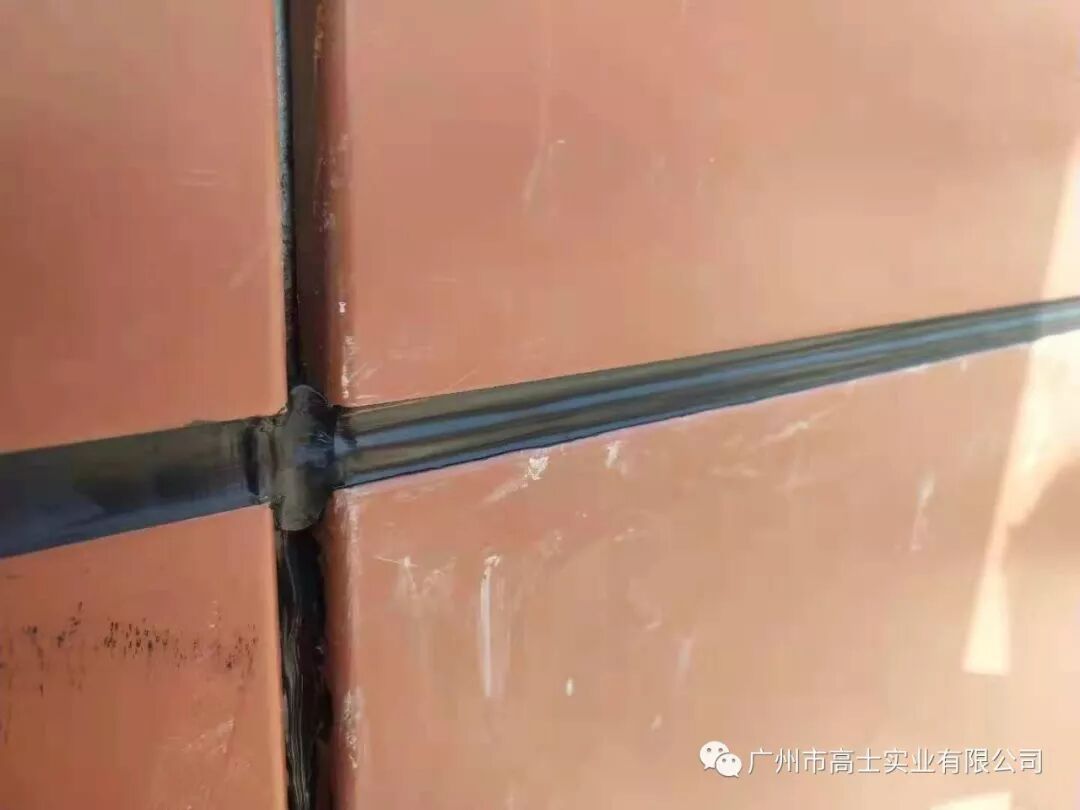

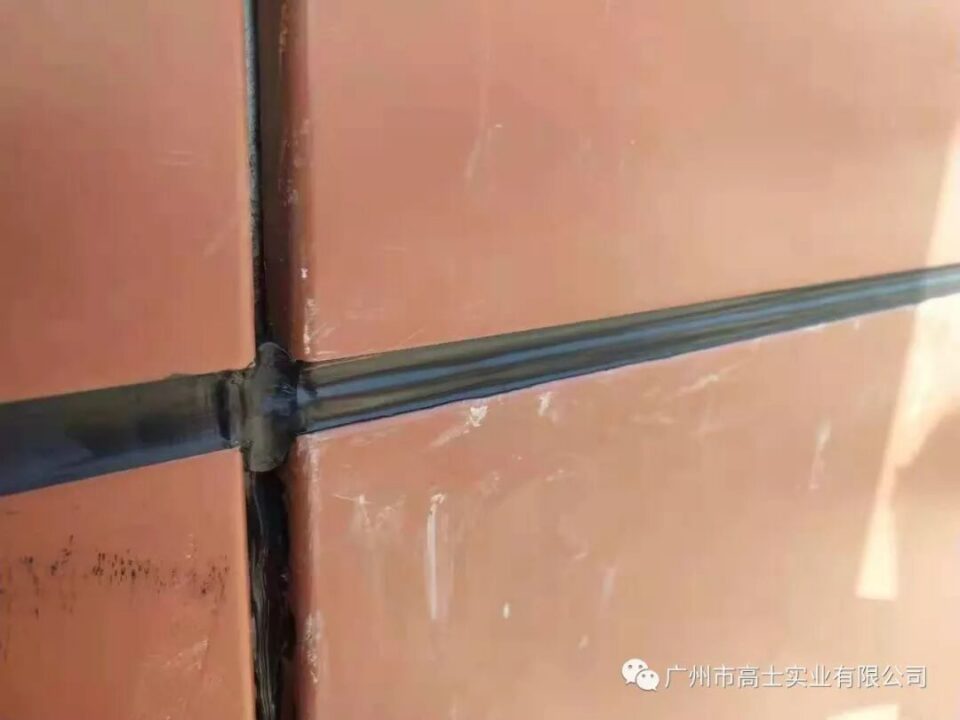
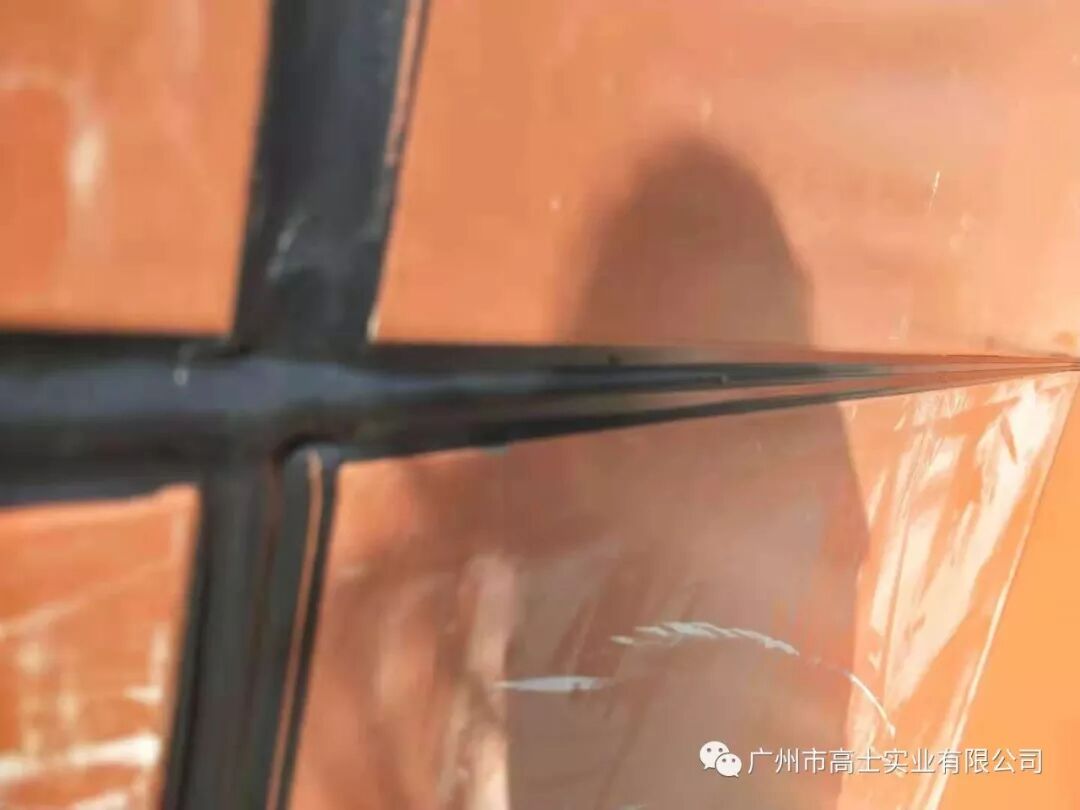
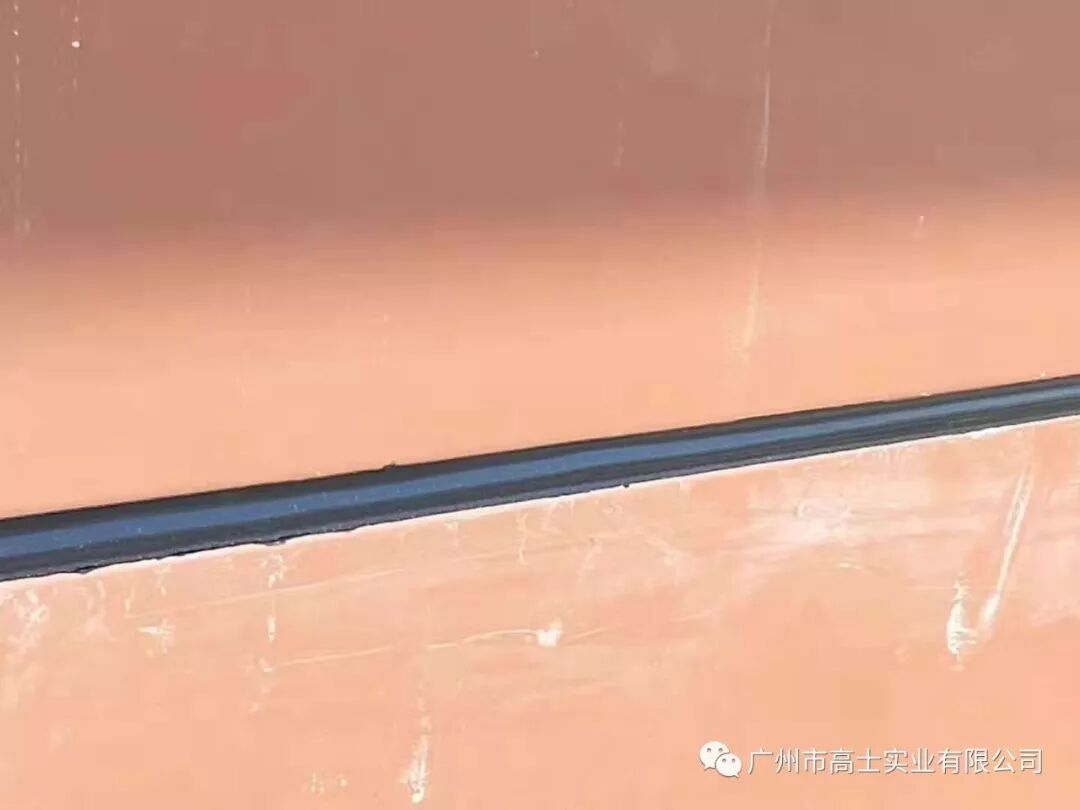

Causes of bulging in aluminium veneer sealant
01
Temperature difference is too large
The thermal expansion coefficient of aluminium panel curtain walls is high—about 2–3 times that of glass. As a result, aluminium panels of the same size undergo much greater expansion and contraction than glass. In many parts of China, seasonal changes bring large day-to-night temperature differences, causing substantial movement at aluminium panel joints through thermal expansion and contraction. Once sealant is applied, the joint must accommodate this movement. If the sealant has not fully cured, repeated panel movement can cause the sealant joint to bulge.
0 2
Mismatched foam backer rod
When installing a foam backer rod in the joint before applying sealant, an excessively long rod may move before the sealant cures and cause it to bulge. If the backer rod is not sized to fit the joint, it may also be stretched too tightly during installation. Applying sealant immediately can allow the rod to rebound later, which may also cause bulging.
03
Too much wind pressure
Sealant can also bulge because of excessive wind loads during application. Most parts of China are in monsoon regions, where external wind pressure can cause curtain wall buildings to sway slightly and move their panels. If sealant is applied in strong winds, panel movement before it fully cures can cause bulging. This issue is especially likely to arise when sealing high-rise buildings.
Solution
(1) Choose a sealant that cures relatively quickly;
(2) Use appropriate shading measures;
(3) Choose an appropriate time for application and avoid working in very high or low temperatures. Apply sealant to a façade away from direct sunlight, or carry out the work in overcast weather;
(4) Reapply sealant to joints where bulging affects the curtain wall’s overall appearance. Bulging that does not affect the appearance may be left as it is;
(5) The sealant bead should not be too thick or less than 5 mm, and the finished surface should form an hourglass shape;
(6) While the sealant is curing, prevent external forces from moving the panels.


关于广州Glorystar Chemicals
Guangzhou Glorystar Chemicals Co., Ltd. was established in June 1996 with a registered capital of 11 million yuan. It mainly produces high-quality silicone sealant (one of the drafting units of the national standard GB16776 “Silicone Structural Sealant for Construction” and “National Standard Silicone Construction Sealant” GB/T14683) and modified starch powder (industry standard “Putty Additive for Interior Decoration” JC/T 2316-2015), it is one of the few “certified enterprises for the production of silicone structural sealants for construction” in China and the largest and only modified starch powder manufacturer certified by four national ministries and commissions. It is also a national high-tech enterprise, a key high-tech enterprise in the National Torch Plan, and a national outstanding private technology enterprise.