“Guangzhou” or “Guangsan”? Former distributor detained over counterfeit products

Glorystar Chemicals
News
Recently, the Fengxian Public Security Bureau detected a case of illegal manufacturing and selling of illegally manufactured registered trademarks, and arrested four suspects including Li.
On 8 June, Qingcun Police Station of the Fengxian Public Security Bureau received a report that a factory along Qianqian Highway in Qingcun Town was producing counterfeit modified starch powder bearing a well-known Guangzhou brand. Officers went to the factory to investigate and collect evidence, then sent samples to the legitimate manufacturer in Guangzhou for testing. The products were confirmed to be counterfeit and substandard, and Li, the person in charge of the factory, was taken into custody. Li told police that the goods were being sold at Minhang Jiuxing Market. After making enquiries at the market over several days, officers found the factory’s counterfeit products in a merchant’s warehouse and brought the warehouse manager, Wang, in for questioning. At the two sites, police seized more than 500 boxes of counterfeit finished paint products, over 200,000 counterfeit packaging bags, and more than 1,500 packaging bags and boxes. The seized goods were valued at more than RMB 200,000. Qiu, who had helped Li with production, packaging and transport, and another Wang, who supplied counterfeit packaging materials to Li and Wang, were also apprehended.
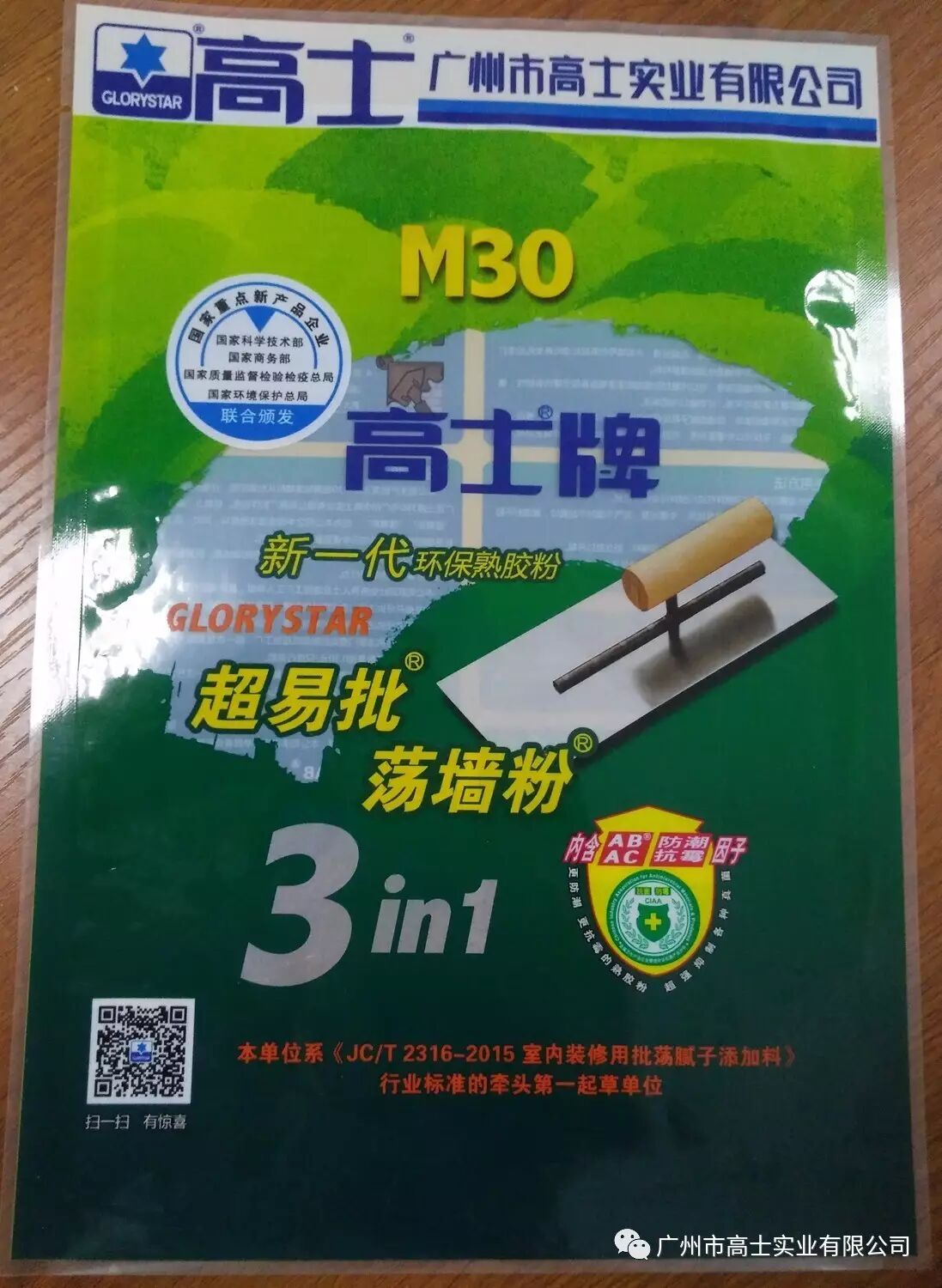
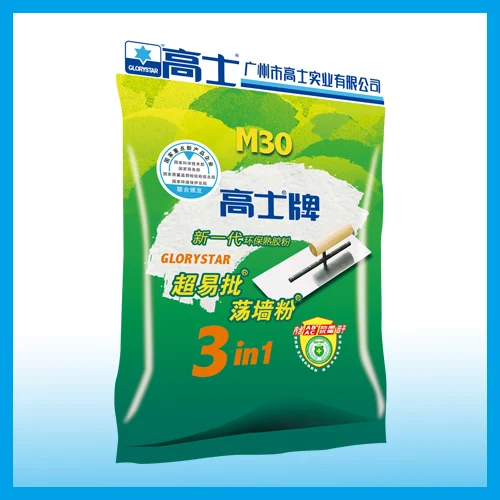
Genuine “Guangzhou” products 
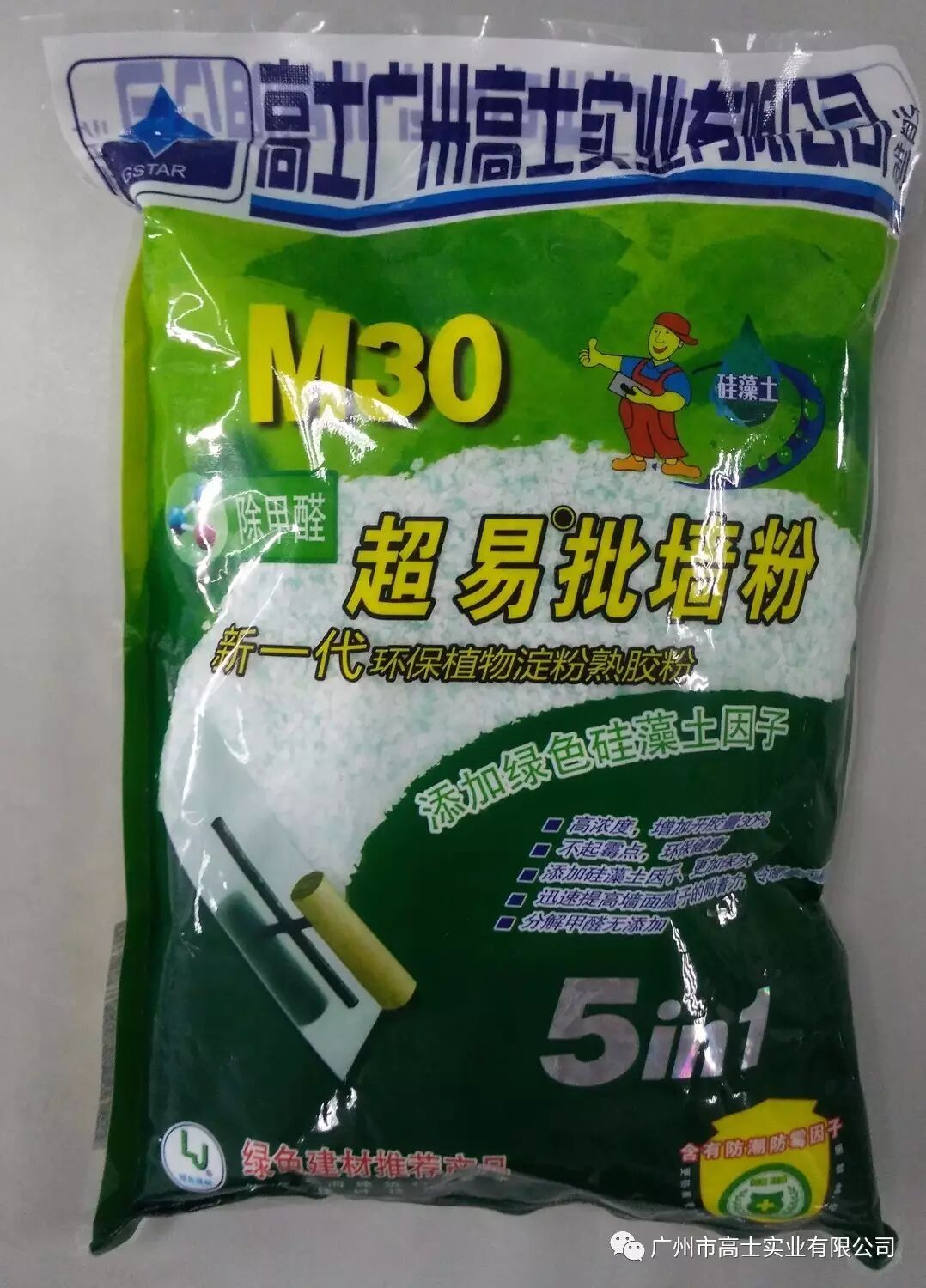
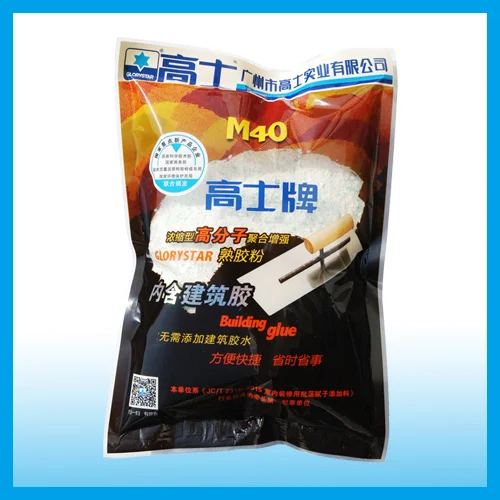
Products made by Li’s “Guangsan” company
Products offered for sale
At the Fengxian District Detention Centre, the reporter met Li, a suspect in the case.
According to Li, he became a Shanghai distributor for the well-known Guangzhou company in 2000, selling its modified starch powder and other branded products. In 2007, after a dispute with the company, he and Wang registered a new company in Shanghai under the same name, began making similar products themselves, and used packaging resembling the well-known brand. He also used his former agency status to convince customers that the products were genuine goods from the Guangzhou brand—and cheaper—helping him build sales. Over ten years, total sales exceeded RMB 20 million.
In 2017, seeking to increase sales further, he registered another company in Hong Kong under the name “Guangsan”, deliberately choosing a name that could be confused with “Guangzhou”. He admitted knowing that selling goods bearing counterfeit registered trademarks was illegal, but said he wanted to make money.
At the time of publication, Li and three other suspects had been placed under criminal detention on suspicion of illegally manufacturing and selling counterfeit registered-trademark labels. The case was still under investigation.