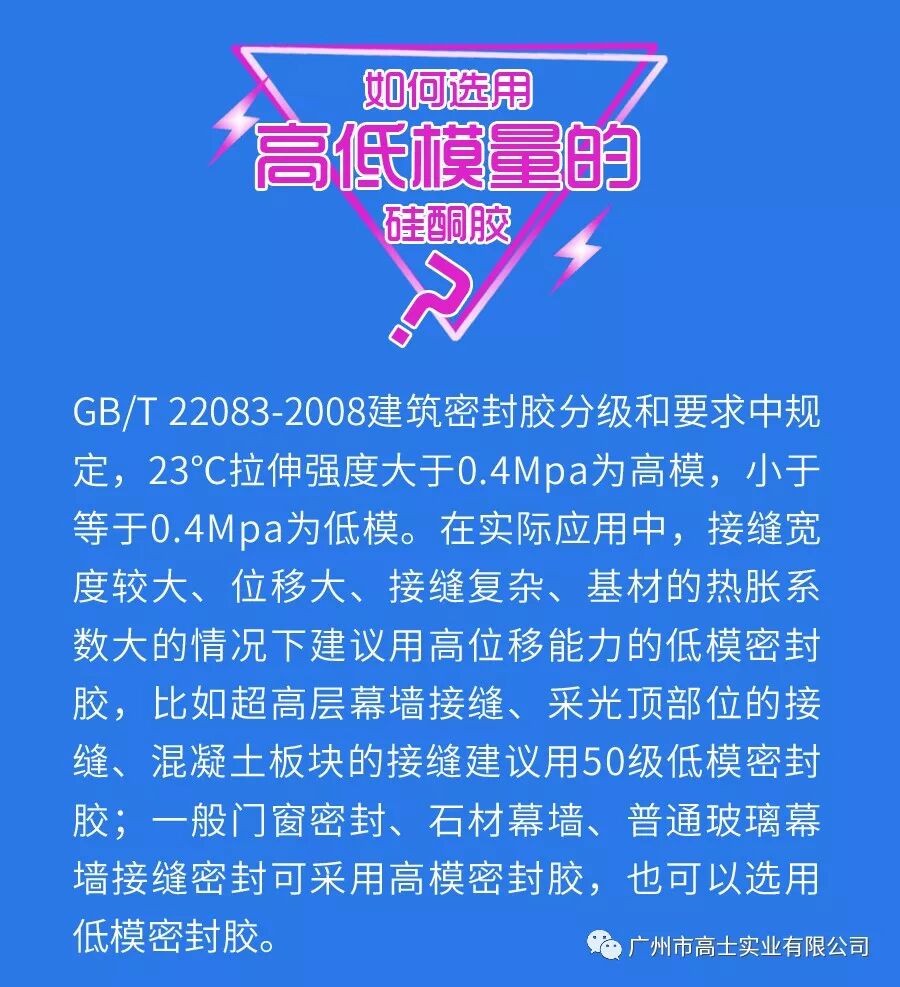
How to choose between high-modulus and low-modulus silicone sealants
High modulus vs low modulus: what is the difference?
Modulus describes resistance to deformation under specified test conditions. At a comparable extension, a lower-modulus sealant generally exerts less stress on the bonded surfaces than a higher-modulus sealant. It does not, by itself, tell you the product’s adhesion, movement rating or suitability for structural glazing.
| Selection point | What to compare |
|---|---|
| Stress on the substrates | Compare the stated modulus under the same test conditions. For movement joints, consider how much stress the joint and its bonded surfaces can tolerate. |
| Joint movement | Use the product’s stated movement capability together with the expected joint movement and joint dimensions. A modulus label is not a substitute for a movement rating. |
| Adhesion and compatibility | Identify both substrates, including coatings, and confirm preparation and primer requirements. Check compatibility with adjacent materials. |
| Structural bonding | Use a product specifically intended for the structural application, with the necessary project assessment. A high-modulus label alone does not establish suitability. |
Choose by the joint, then compare products
- Identify whether the work is weather sealing, interior finishing or structural bonding.
- Record both substrates, the joint width and depth, and the expected movement.
- State the exposure conditions, including exterior weather, moisture and contact with other materials.
- Compare the application requirements with the selected product and confirm adhesion on representative substrates.
Compare Glorystar Chemicals products for your application
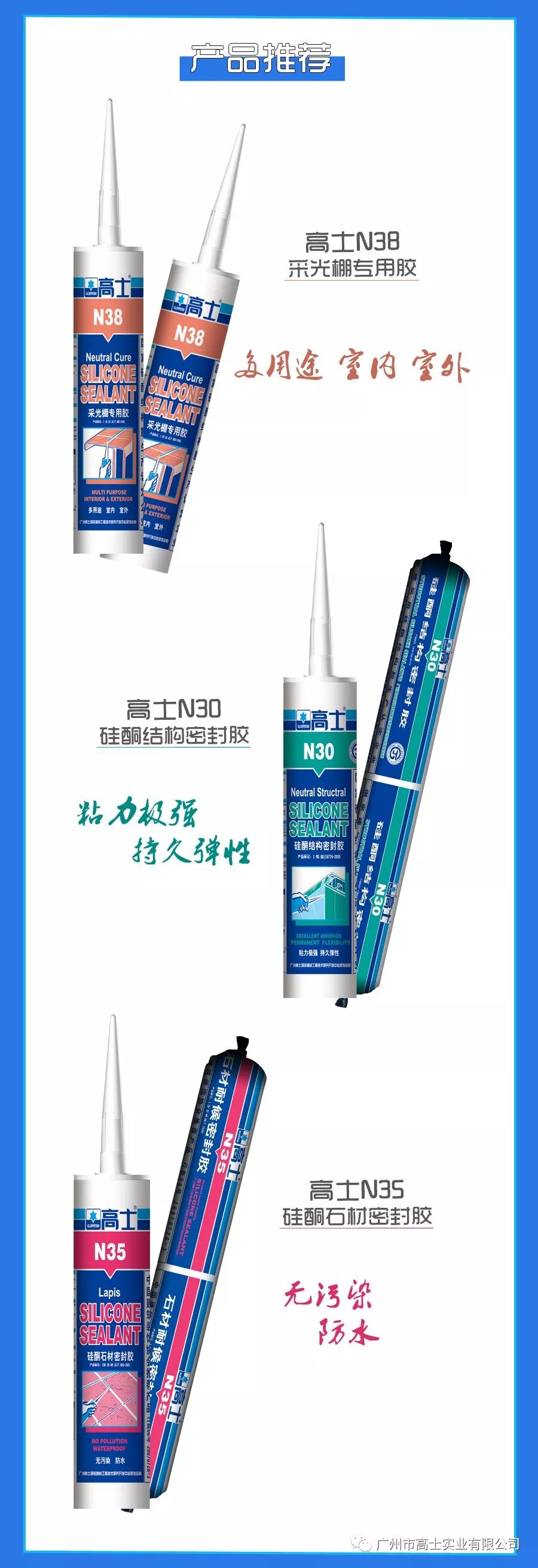
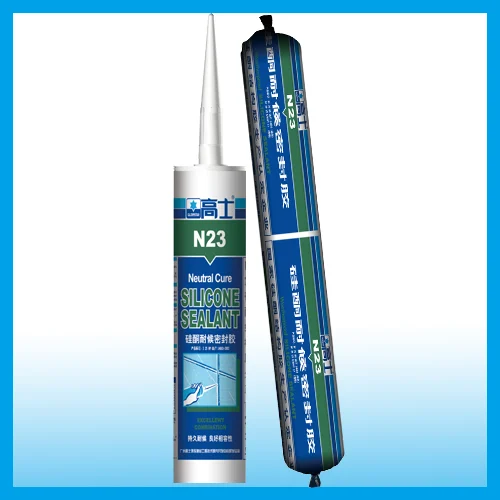
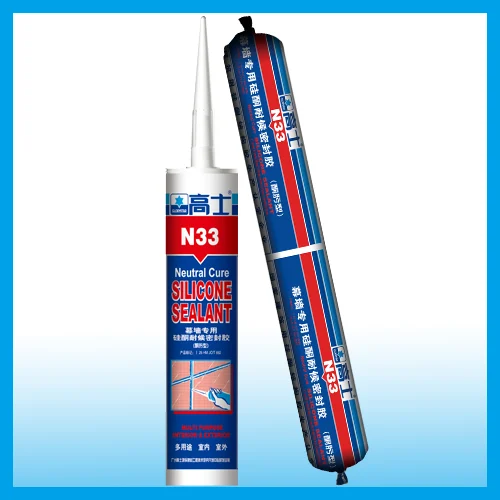
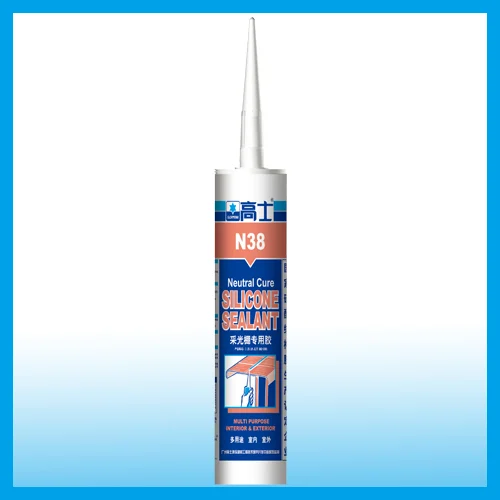
For weather sealing, start with N23 and N33. For skylight, canopy and roof-panel joints, review N38. These are application starting points, not a classification of their modulus or approval for every joint.
See our sealant selection guide or send your substrates and joint requirements for selection advice.
The modulus describes how strongly a cured silicone sealant resists deformation. A high-modulus grade offers greater support, whereas a low-modulus grade typically accommodates movement more readily.
Product selection should align with the joint design, substrates, expected movement and environmental exposure. Compare the manufacturer’s stated performance against the requirements of the actual application before ordering.