
The correct way to buy silicone sealant


Although silic sealant is very inconspicuous, it is the most frequently used auxiliary material in the home decoration process. It is used in operations such as bonding cabinets and kitchen walls, fixing basins and toilets, etc. Because some consumers do not understand the brand and performance of silic sealant, they often just buy two bottles. As a result, the strips break, mold develops, and even window leaks, countertop leaks and other troubles occur. It can be seen how important it is to master the correct identification method of silic sealant.




01
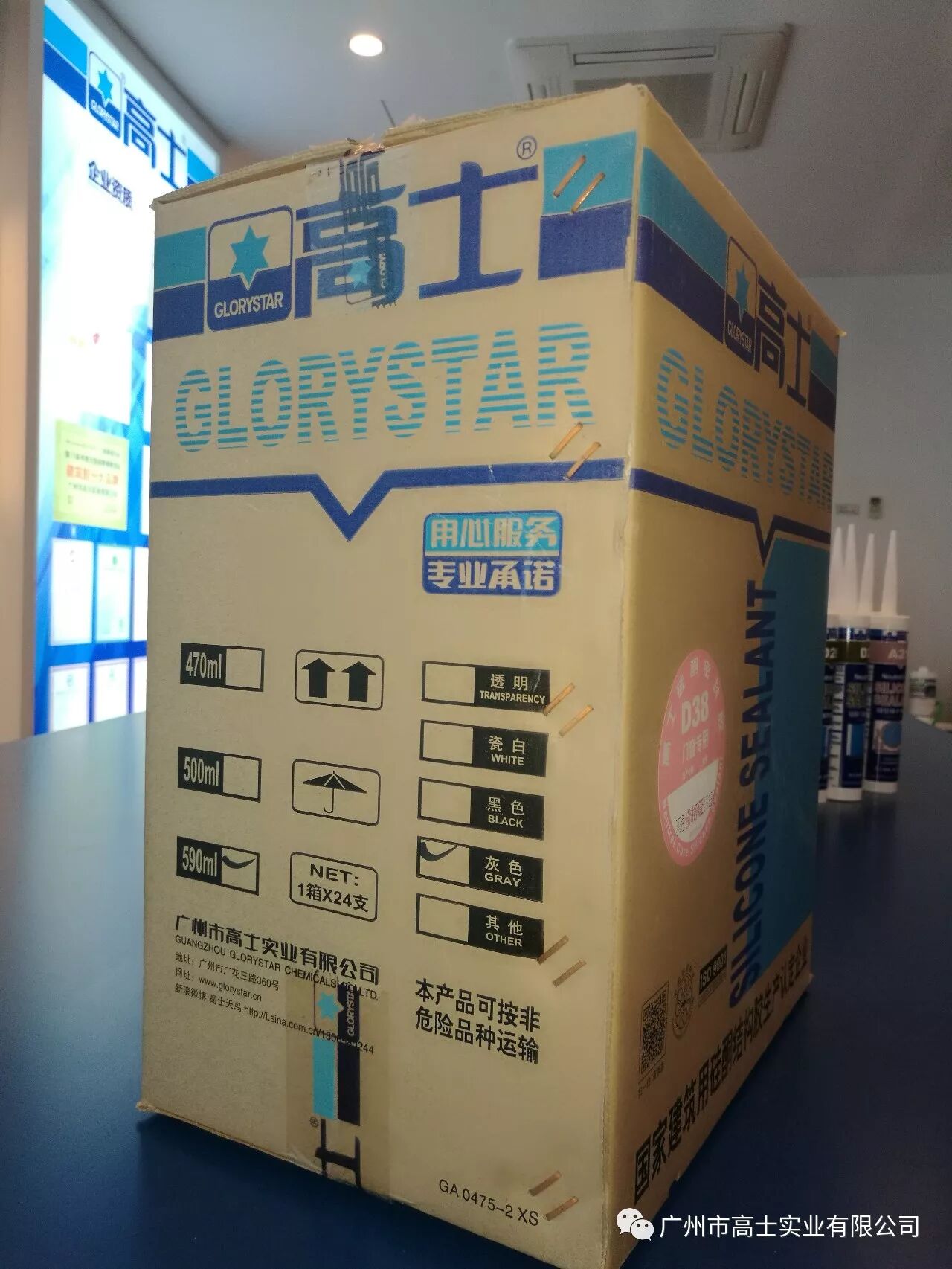
Look at the carton
The cartons used by responsible manufacturers are of good quality and durable; the packaging design and printing quality are exquisite; the product name, factory name and specifications, origin, color, date of manufacture and other relevant information are accurate and detailed.

02
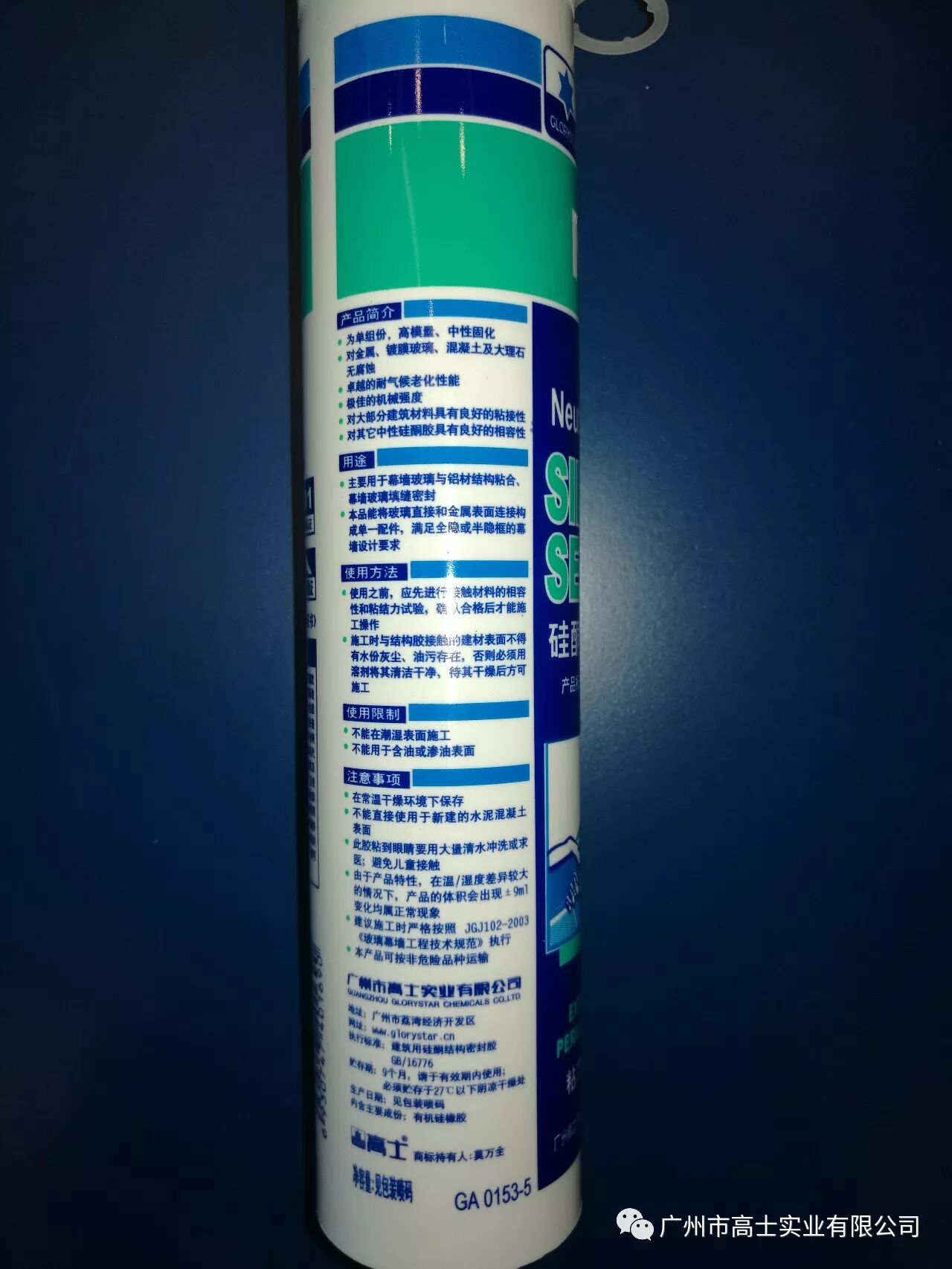
Look at the glue bottle
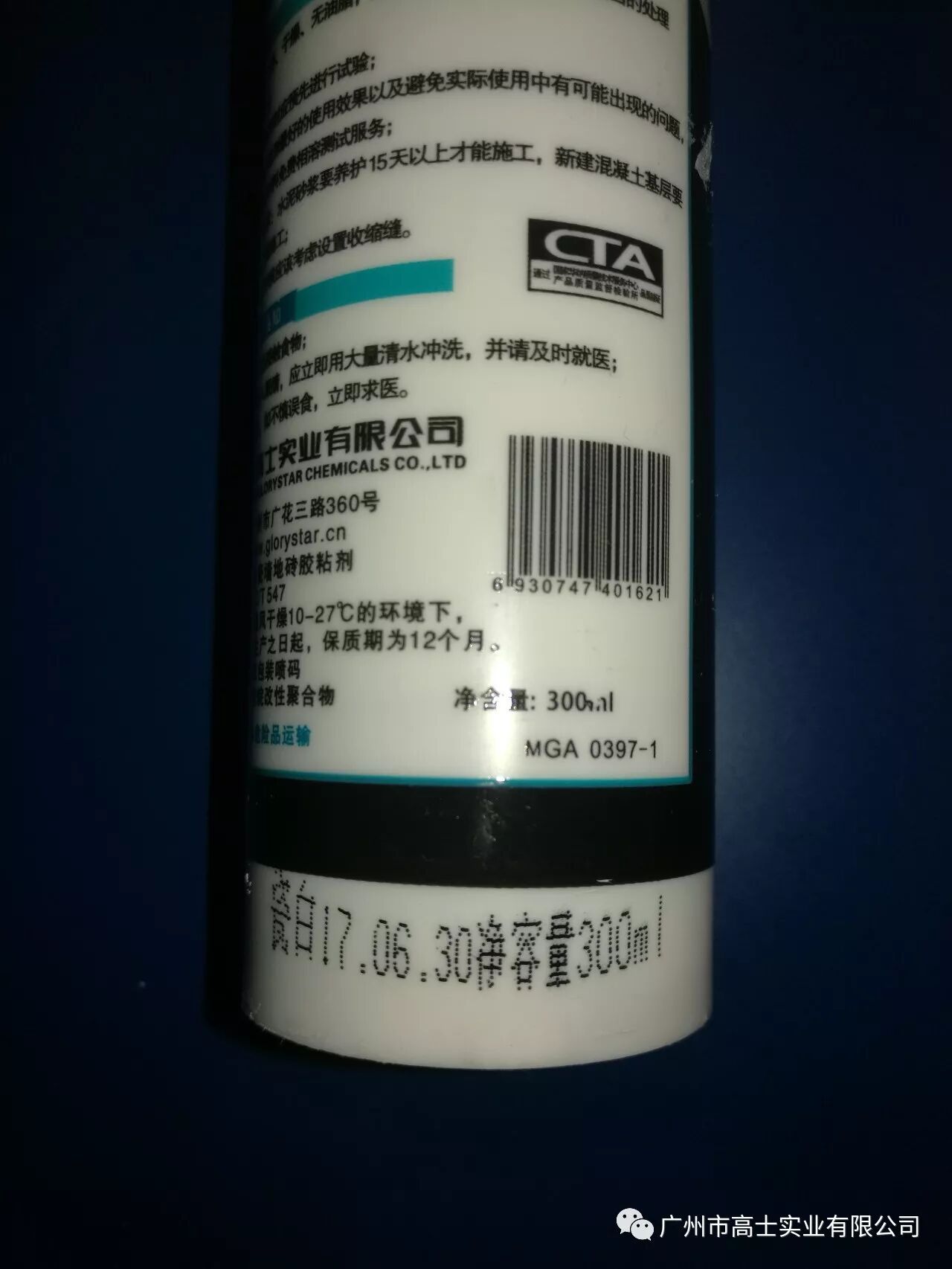
Looking at the surface of the plastic bottle, the first thing that is easy to distinguish is the printing quality of the bottle: good products have clear packaging and printing, detailed information, clear and complete descriptions of “purpose”, “usage”, “precautions” and other contents, reflecting a responsible attitude towards users and consumers.

03
Specific net content
According to relevant national regulations on product packaging, manufacturers must indicate on the packaging the net content (in g or ml) of the specification and model, but some silic The sealant manufacturers do not strictly implement this national regulation. What is displayed on the packaging bottles is only the gross weight or other coded numbers. The large numbers give people the illusion of “large amounts of glue.” Although some manufacturers indicate a large net content number on the packaging bottles, they actually use thick bottles with thick bottom caps to fill the glue. Most people can’t tell the obvious weight difference when weighing it with their hands. This approach is the most deceptive to users. Responsible manufacturers must truly indicate the net content of their products and recommend thin bottle packaging to users. Even if some specifications and models use thick bottles, they will explain to users that they are packaged in thick bottles.



1. Smell (applicable to acid glue)
Because acidic glue contains acetic acid, it will produce a sour smell during the volatilization process. However, generally speaking, the better the quality of the glue, the lighter the sour smell, and the worse the quality of the glue, the stronger the sour smell (because it contains more acetic acid); at the same time, the smell of good quality glue disappears quickly during the curing process, while the acid smell of poor quality glue takes much longer to evaporate.

2. Than glossy
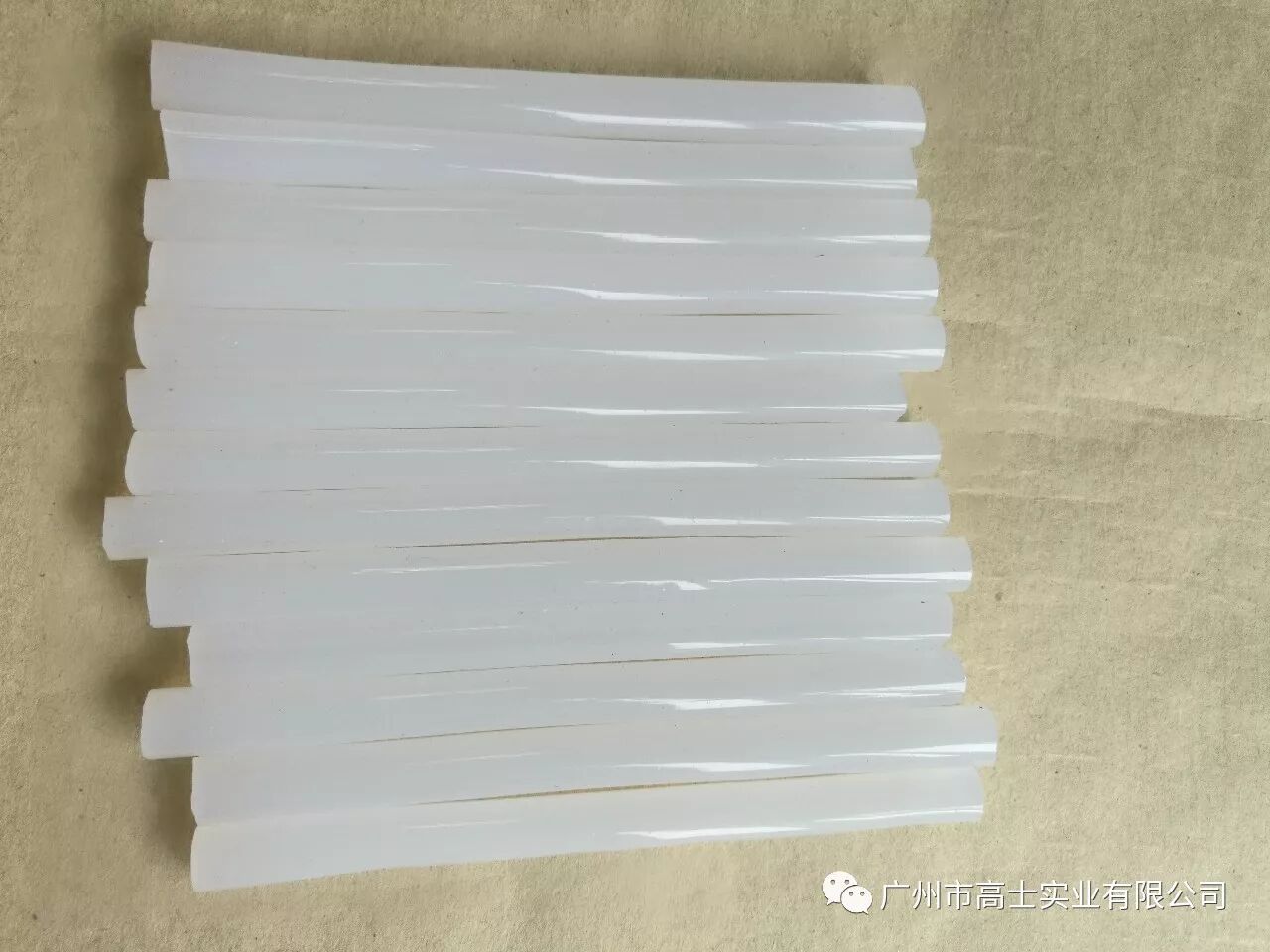
Glues of different qualities have different gloss after being punched out. High-quality glue will have a strong gloss after curing no matter what color it is. Some low-quality glue will have no luster as soon as it is punched out, and some will lose its luster after curing for or two months.

3. Check the particles
High-quality silic sealant is a chemically synthesized material that has been fully and evenly stirred. It has a fine and uniform texture and is smooth, flat and shiny after curing. The worse the quality of the silic sealant, the more particles and debris will be visible. After the glue is applied and cured, the surface of the strip will not be as smooth and flat as that of good quality glue.

4. Look at the bubbles
The main compnt of high-quality silic sealant is silic, and the amount of other additive materials is very small. The good stability of pure silic is minimally affected by changes in external conditions during the storage period. When applying glue, there will be no “pop” or “pop” bubbles caused by air mixed in the bottle and the glue being dispensed. However, because the glue of ordinary quality silic sealant is not 100% silic sealant, the additives in the silic gel may react chemically with the PE soft glue of the glue bottle, causing the glue bottle to swell and increase in height. The air retained in the space will penetrate into the glue to create gaps. When the glue is applied, it will make a “pop, pop” bubble sound, shortening the shelf life. What’s more, a few manufacturers deliberately put the bottom cap on the bottom of the bottle when filling glue, leaving air in the middle of the bottle, thus greatly reducing the amount of glue. Naturally, it is inevitable that the glue will have bubbles.

5. Check the curing effect
After local application of glue, the user should first check the silic sealant’s surface drying time based on the instructions on the product packaging. If the time is too short or the timeout is too long, it means there is a problem with the quality of the silic sealant (of course the influence of environmental conditions should also be considered); then after curing is completed (the curing time manufacturer should also indicate), try the hardness and elasticity of the glue with your hands. Glue that is too hard or too soft is not considered a good glue; then you can cut a cross section of the glue to check whether the curing effect inside and outside the glue is consistent.


6. Test tensile force and adhesion force
The tensile strength and peel strength (ie, adhesive force) of cured silic sealant also vary depending on the quality of the silic sealant. High-quality glue has extremely strong tensile force, large stretching range, and high peeling resistance; the opposite is true for low-quality glue.

About Guangzhou Glorystar:
Guangzhou Glorystar Industrial Co., Ltd. was established in June 1996 with a registered capital of 11 million yuan. It mainly produces high-quality silic sealant ( of the drafting units of the national standard GB16776 “Silic Structural Sealant for Construction” and “National Standard Silic Construction Sealant” GB/T14683) and modified starch powder (industry standard “Putty Additive for Interior Decoration” JC/T 2316-2015), it is of the few “certified enterprises for the production of silic structural sealants for construction” in China and the largest and only modified starch powder manufacturer certified by four national ministries and commissions. It is also a national high-tech enterprise, a key high-tech enterprise in the National Torch Plan, and a national outstanding private technology enterprise.

