How to Choose Silicone Sealant

How to choose the right silicone sealant
Choose the sealant for the job it must perform, then check compatibility with the actual materials and joint design. Packaging appearance, smell or gloss alone cannot establish performance or suitability.
| Check | Information to prepare |
|---|---|
| Application | Distinguish weather sealing, sanitary sealing, structural glazing and insulating-glass assembly. These uses have different requirements. |
| Substrates and finishes | List both surfaces, including coatings. Confirm adhesion, preparation, primer and compatibility requirements for the selected product. |
| Movement and dimensions | Record joint width, depth and expected movement. Compare the product’s movement rating with the joint design. |
| Exposure | Describe indoor or outdoor use, moisture, temperature and contact with other materials. |
| Finishing and supply | State the colour, packaging and intended finish. Check the product identification, batch, expiry date and storage instructions. |
Which product should I compare first?
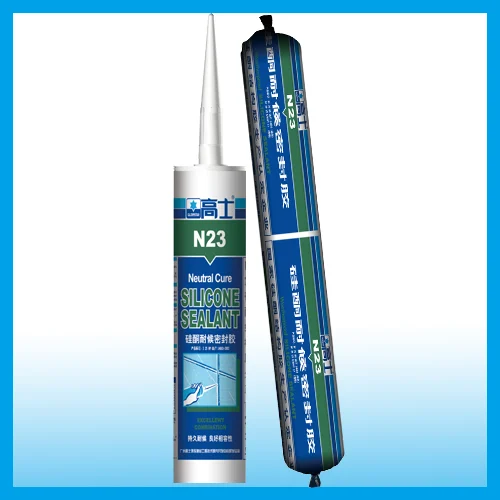
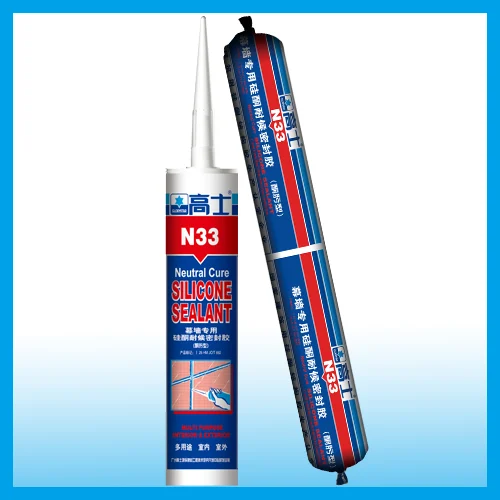
Explore the silicone sealant range by application. For glass and aluminium weather sealing, review the published uses of N23 and N33. Confirm suitability for the actual joint before ordering.
For movement joints, read our high- versus low-modulus silicone guide. For a broader comparison of applications, use the sealant selection guide.
How do I choose the right silicone sealant size and quantity?
For a rectangular joint with a reasonably constant cross-section, estimate the sealant volume by multiplying the total joint length in metres by the width in millimetres and the depth in millimetres. The result is approximately the volume in millilitres. Allow for application waste, divide by the net volume on the cartridge or foil pack, and round up to a whole package.
Example: A 12 m joint that is 6 mm wide and 6 mm deep needs approximately 12 × 6 × 6 = 432 mL. If each cartridge contains 300 mL, that is 1.44 cartridges, so the estimate is at least two before allowing for waste. These dimensions and package size are examples, not recommendations for a particular product.
Measure the sealant depth that will actually be filled after any backing material is installed. Irregular joints, triangular beads and application waste change the amount needed. Confirm the joint dimensions and movement requirements against the selected product’s instructions; structural glazing needs project-specific design and professional review.
Prepare a useful selection enquiry
Send photos or a joint drawing, the two substrate materials, dimensions, exposure and required colour. Include the application and destination market for OEM or distributor enquiries.
Ask Glorystar Chemicals to help select a sealant for your project.



Although silicone sealant may go unnoticed, it is one of the most frequently used auxiliary materials in home decoration. It is used to secure cabinets, basins and toilets, among other household installations. Consumers unfamiliar with sealant brands and performance may choose a product without much thought, leading to cracked or mouldy joints and leaks around windows or countertops. This makes it important to know how to identify silicone sealant.




01
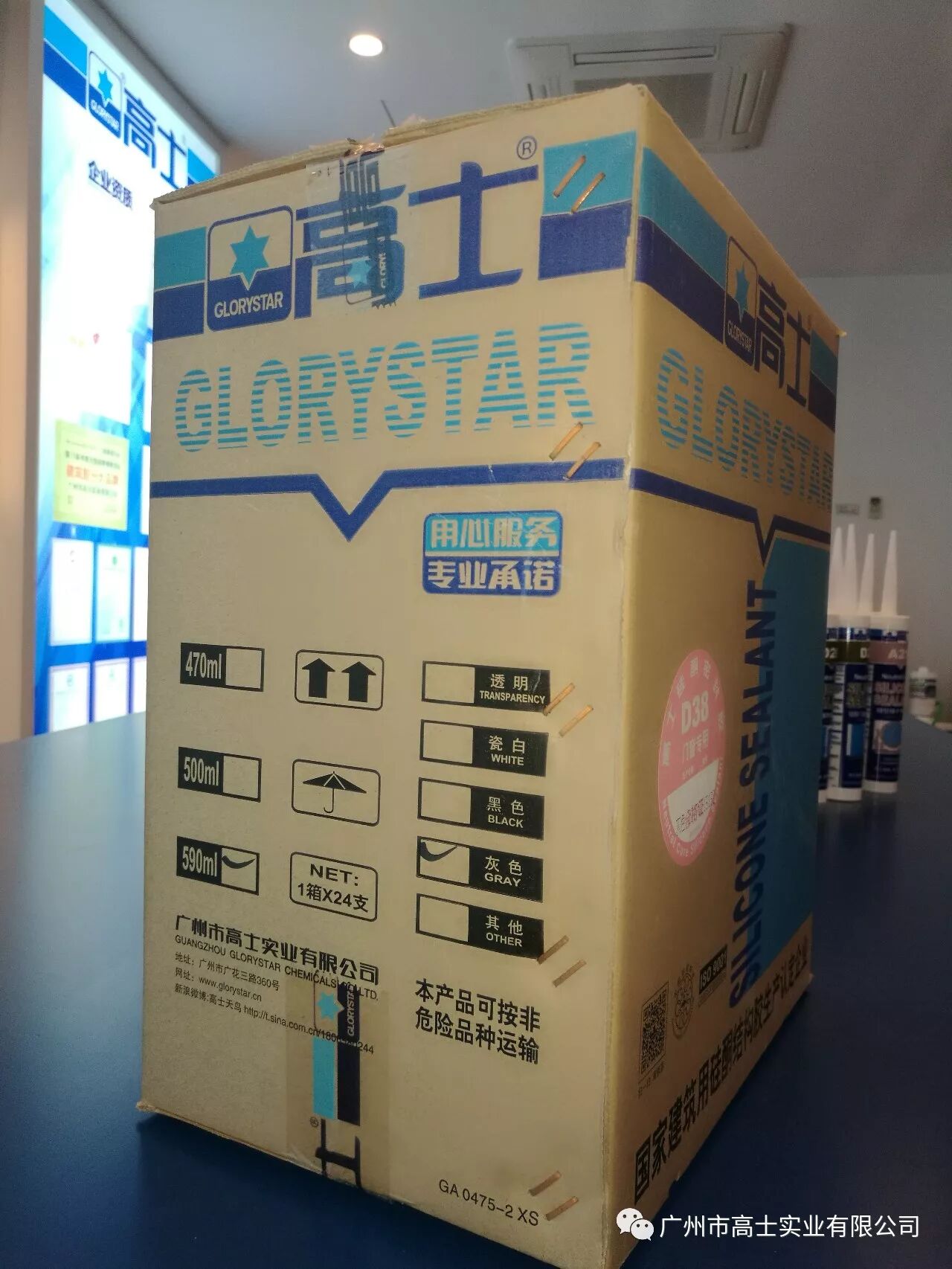
Check the outer carton
Responsible manufacturers use sturdy, durable cartons with well-designed, clearly printed packaging. Product names, manufacturer details, specifications, origin, colour and production date should all be accurate and complete.

02
Check the sealant bottle
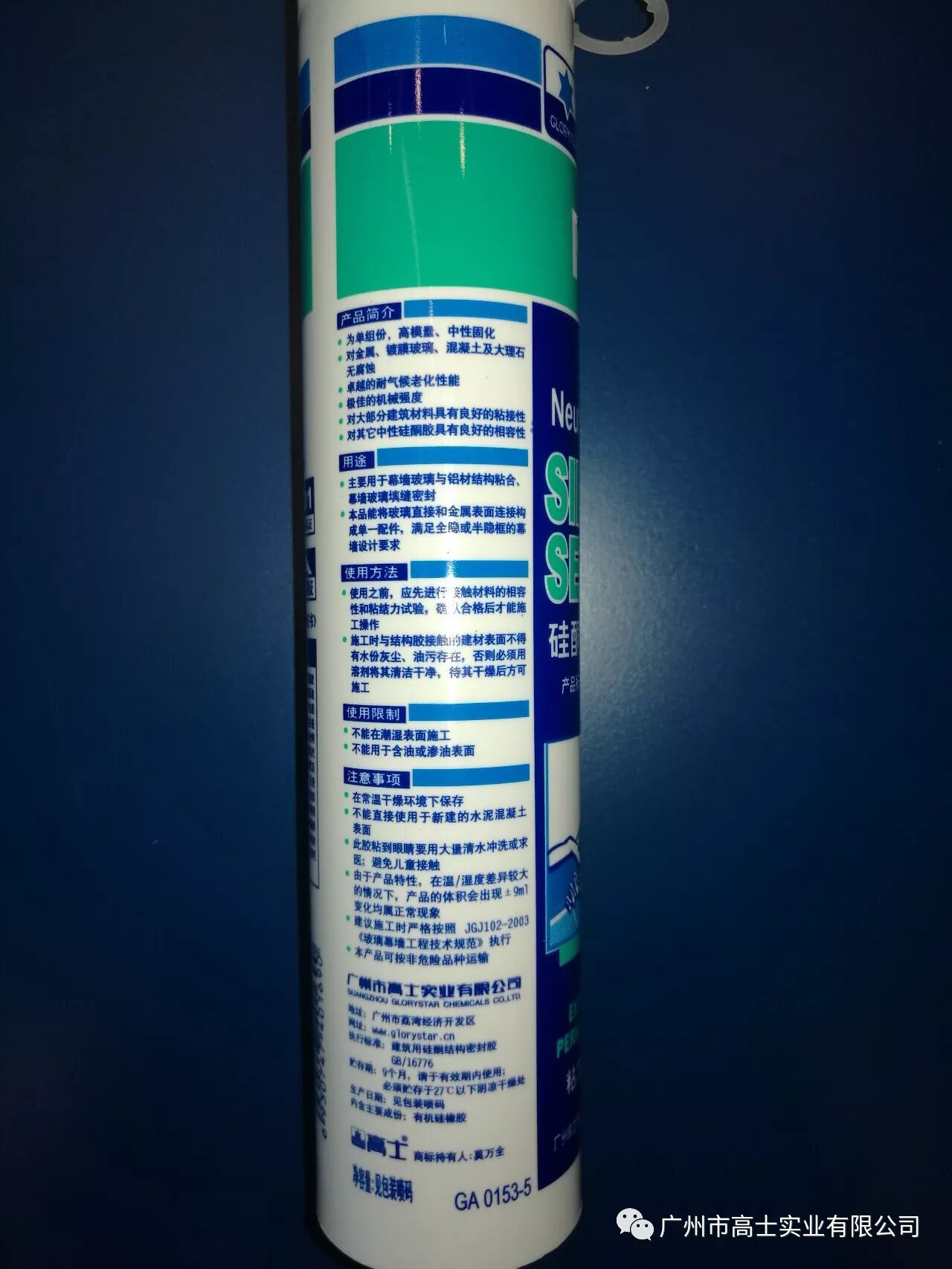
Start by checking the printing on the bottle. A well-labelled product has clear, legible packaging and complete information, including its intended uses, directions and precautions. Clear instructions reflect a responsible approach to users and consumers.

03
Check the net contents
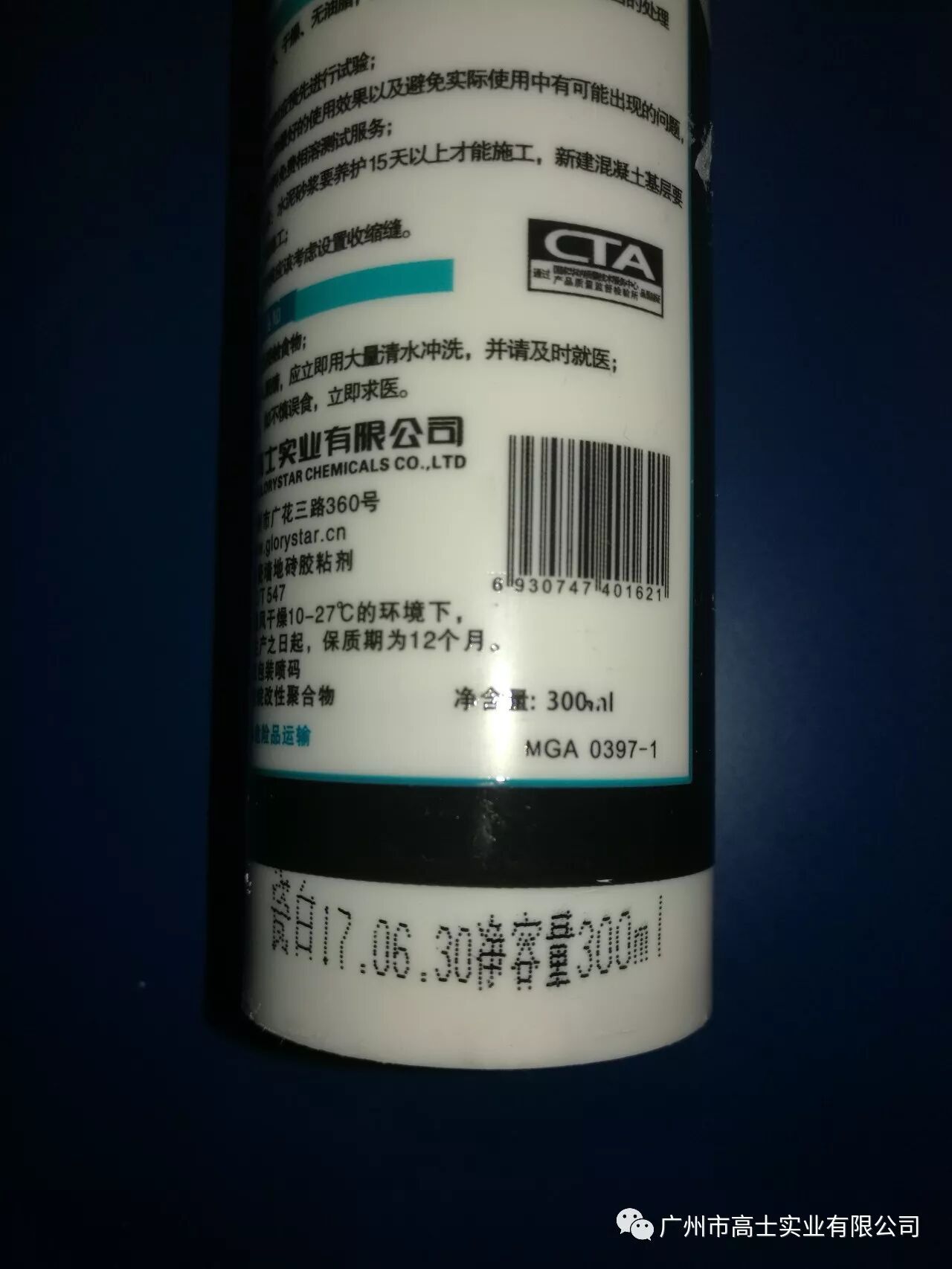
Check the labelled net contents and compare quantities using the same units. Also check the product name, manufacturer, batch, expiry date and storage instructions.



1. Understand cure type and odour
Acetoxy-cure silicone releases acetic acid as it cures, which can produce a vinegar-like odour. Odour strength alone does not establish quality or suitability. Check the cure type and compatibility with the actual substrates.

2. Appearance and gloss
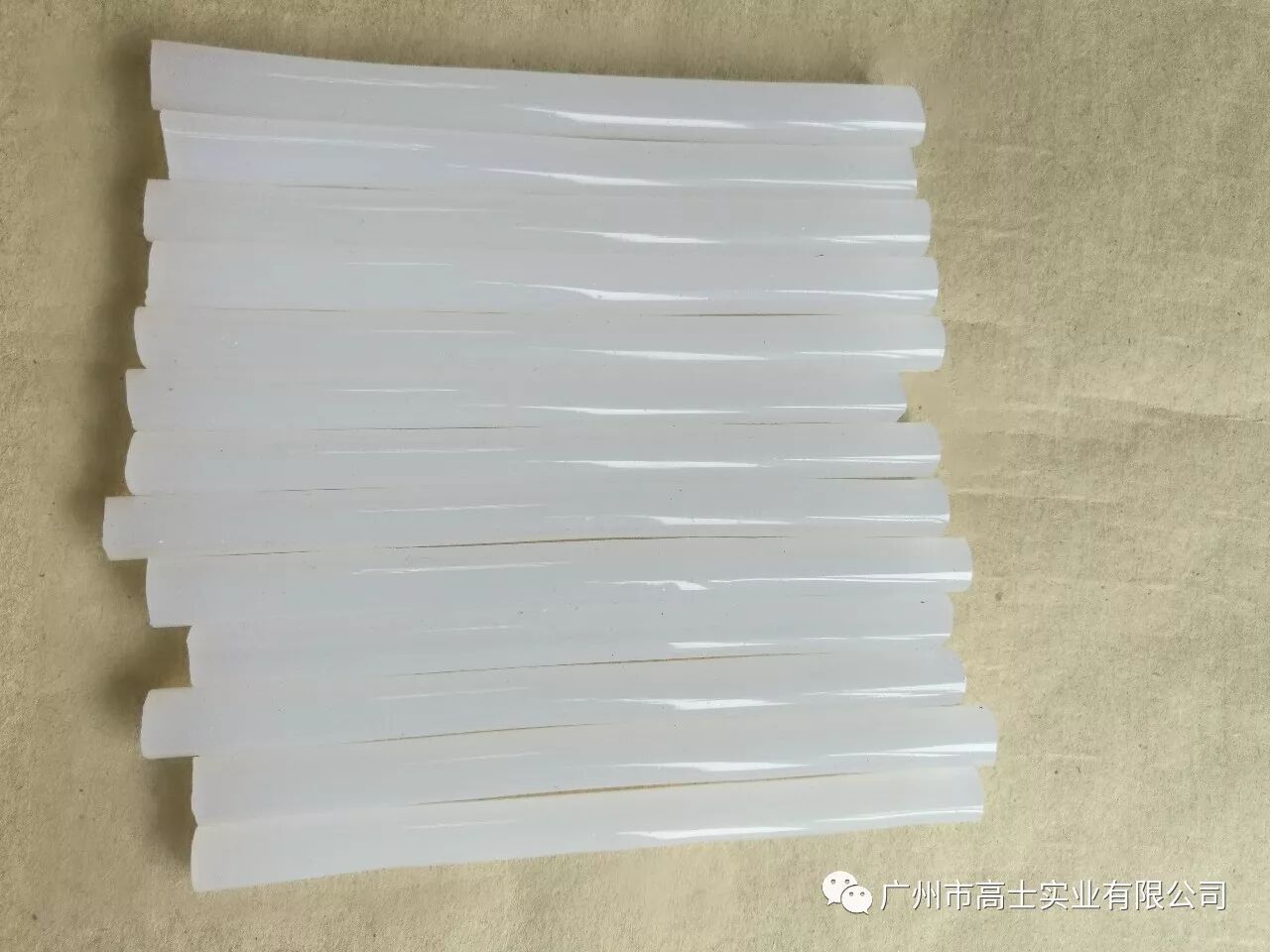
The appearance of a cured bead depends on the product and finish. Gloss alone does not establish adhesion, movement capability or long-term performance.

3. Check for particles
Look for an even bead and report visible particles or other application concerns to the supplier. Appearance alone does not establish whether a sealant meets the requirements of the job.

4. Check for bubbles
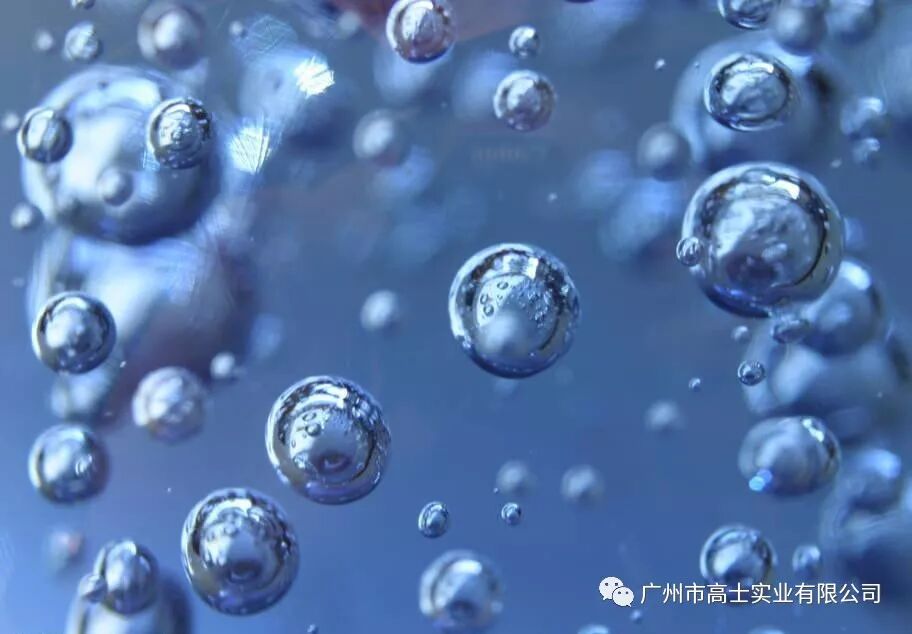
Voids or bubbles in a sealant bead can affect the finished joint. Follow the application instructions and ask the supplier to investigate recurring bubbles; appearance alone cannot identify the cause.


5. Check the curing result
Check the skin-over and cure time against the selected product’s instructions, allowing for temperature, humidity and joint dimensions. After curing, compare the result with the product specification and the needs of the joint.


6. Test tensile strength and adhesion
Compare the selected product’s stated movement capability, adhesion and other properties with the application requirements. Test adhesion on representative substrates and assess joint design where needed.

About Glorystar Chemicals:
Glorystar Chemicals was founded in 1996, and its company-owned factory began production in 1999. Glorystar Chemicals manufactures sealants and adhesives for construction, interior and industrial applications.