
Glorystar · Construction Silicone Sealant Treatment Solutions


Building silicone sealants can be divided intoAlcohol type glue, ketoxime type glue, acid glue.
(1) Alcohol type glue:Alcohol-type glue releases alcohol substances when cured, and is non-corrosive and irritating. It is suitable for most substrates and has basically no substrate restrictions.
(2) Ketone oxime glue:Methyl ethyl ketoxime is released when the ketone oxime glue is cured. Methyl ethyl ketone oxime is safe for most substrates, but it is also corrosive to a few materials. It corrodes copper significantly and cannot be used for copper substrates. When used on coated glass and mirror glass, since the nature of the coating is unknown, a compatibility test must be conducted first to confirm that there is no corrosion before use.
(3) Acid glue:Acid glue releases acetic acid when it solidifies, which is obviously corrosive to concrete, porous stone, and various metal materials. It cannot be used on these substrates. The reason why it can be used on aluminum is that the surface of the aluminum is plated with an oxide film or sprayed with a coating for protection.
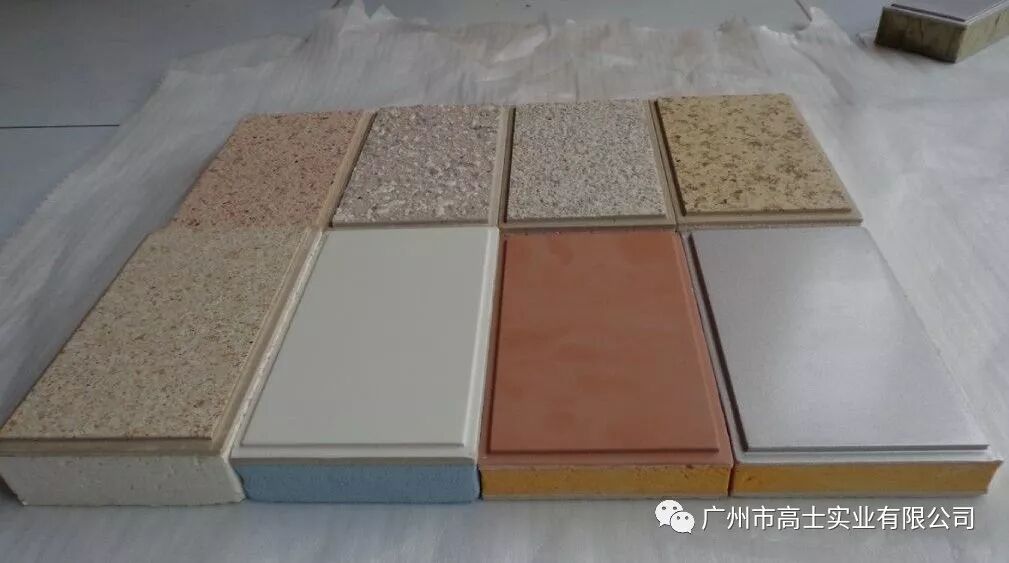

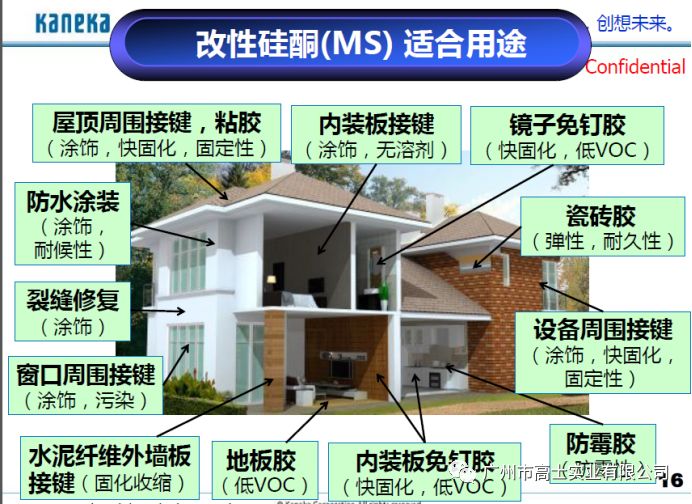
1. The outer materials of the thermal insulation integrated decorative board mainly include aluminum board, fiber cement board (calcium silicate board) and natural stone.
2. Due to the large expansion coefficient of aluminum plates, weather-resistant glue with large displacement capacity needs to be selected.
3. Fiber cement boards produced by different manufacturers have different formulas and processes, resulting in different properties such as density, water absorption, and compatibility with silicone weather-resistant glue. Therefore, an adhesion test and a water immersion test should be performed first to test whether a primer is needed to increase the adhesion of the weather-resistant adhesive.
4. For natural stone, you should choose stone glue that does not pollute the stone.
5.Construction Guide:
(1)Requirements for construction personnel: have a high sense of responsibility and understand that the safety and reliability of curtain walls are closely related to construction quality; be familiar with sealant construction process procedures, and be familiar with bonding and sealing operation techniques and construction tools; be able to understand the bonding and sealing parts and supporting material conditions specified in engineering drawings; master the troubleshooting methods after bonding and sealing failure and basic knowledge of technical safety.
(2)Construction environment: The temperature is generally5℃-40℃range, relative humidity40%-80%.
(3)Remove all oil, dust, moisture, old sealant and other impurities on the surface of the substrate.
(4)The area near the interface needs to be covered to ensure that the sealing working lines are perfect and neat.
(5)After gluing is completed, trimming must be carried out immediately before the sealant has formed a skin. After the trimming work is completed, the masking tape must be removed immediately.
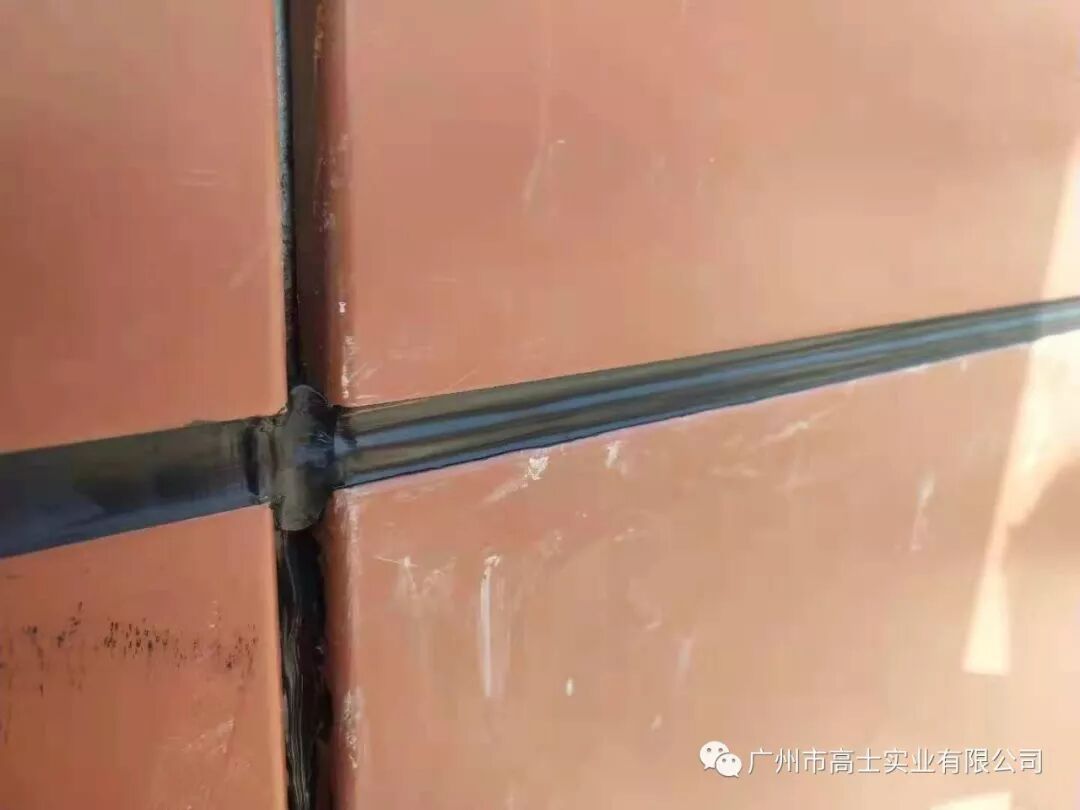
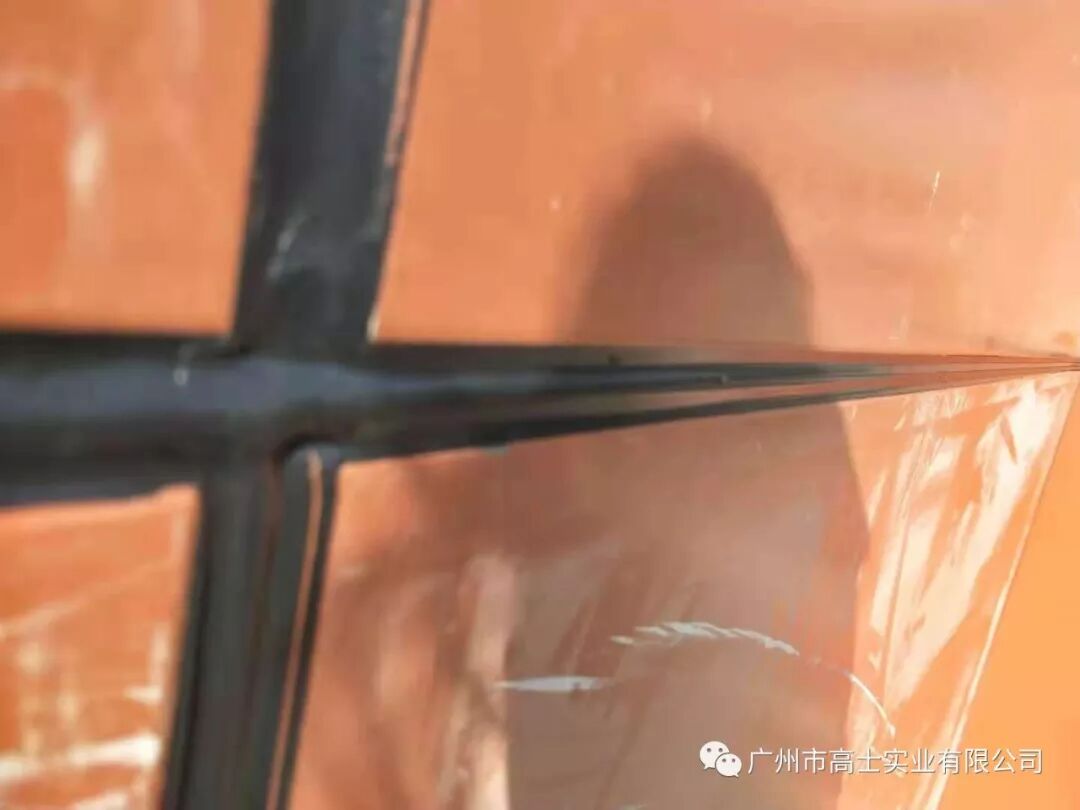
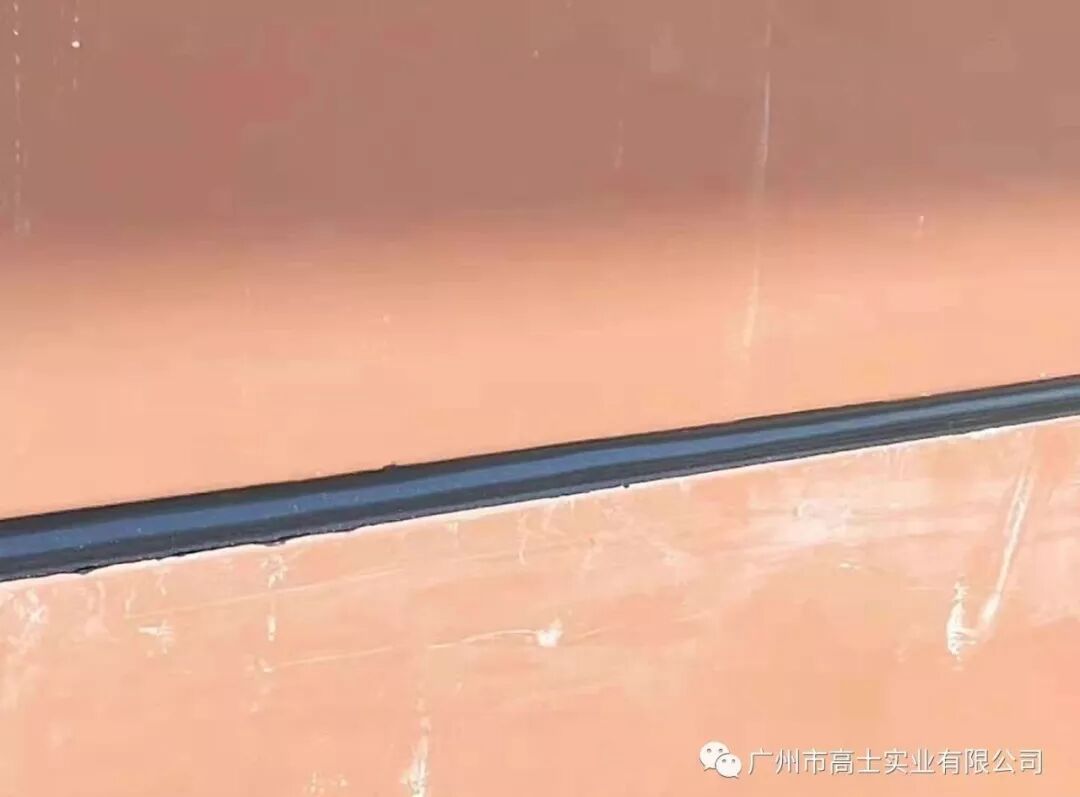

Causes:
Due to the thermal expansion and contraction of the base material, the glue seam is displaced and the appearance of the glue is deformed. It is the result of a combination of factors such as the sealant curing speed, environmental humidity, environmental temperature difference, glue joint width, panel material and size. This phenomenon mostly occurs in spring/autumn in northern my country, when the relative air humidity is low and the temperature difference between morning and evening is large.
Solution:
(1)Choose a glue that cures relatively quickly
(2)Use appropriate shading measures
(3)Choose the appropriate gluing time (glue when the temperature of the aluminum plate is higher)
(4)Apply glue twice to the bulging glue joints that affect the overall appearance of the curtain wall. Those that do not affect the overall appearance can be left as they are.
(5)The thickness of the glue should not be too thick (nor less than 5mm), and the glue surface should form an hourglass shape.
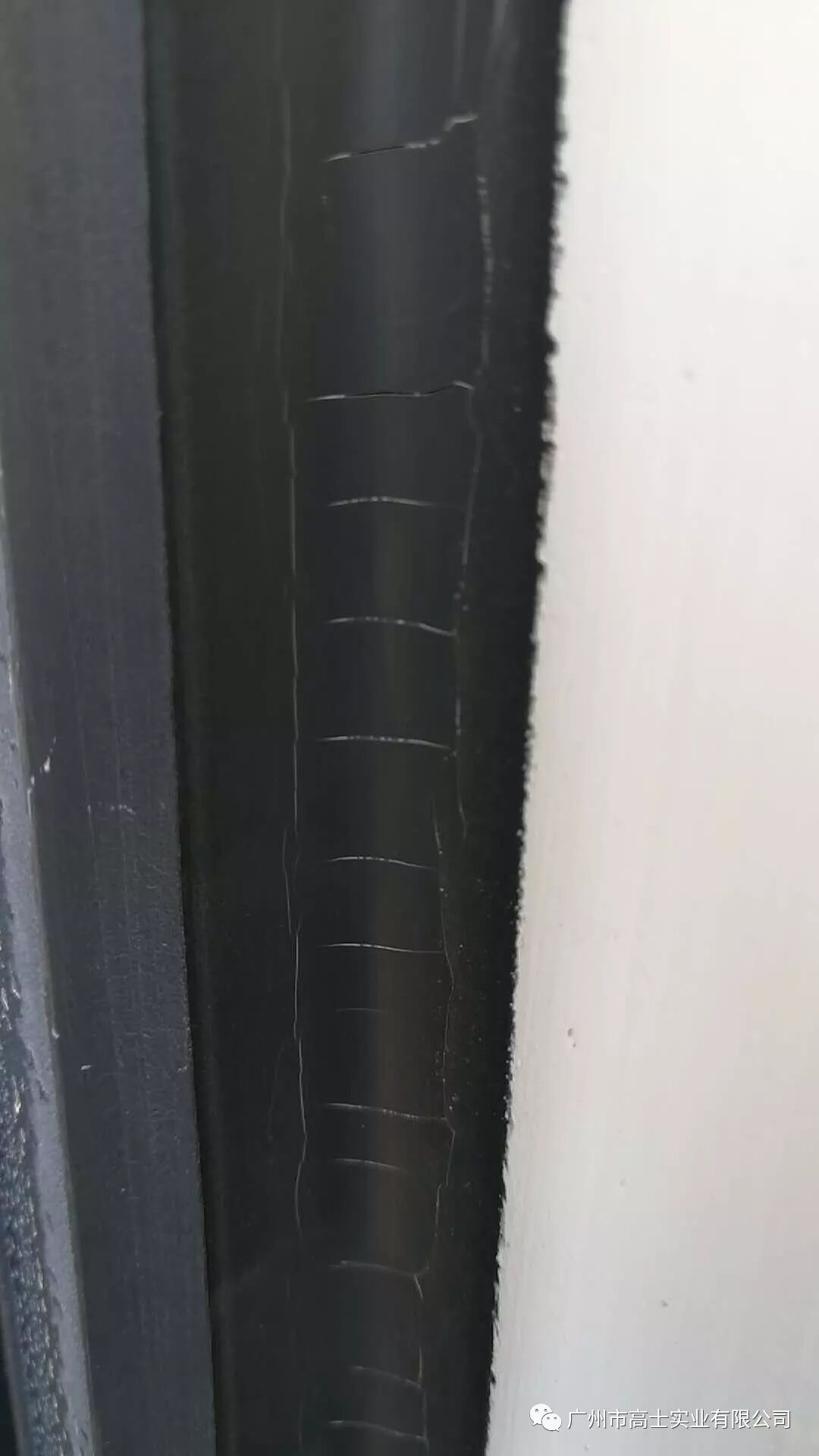
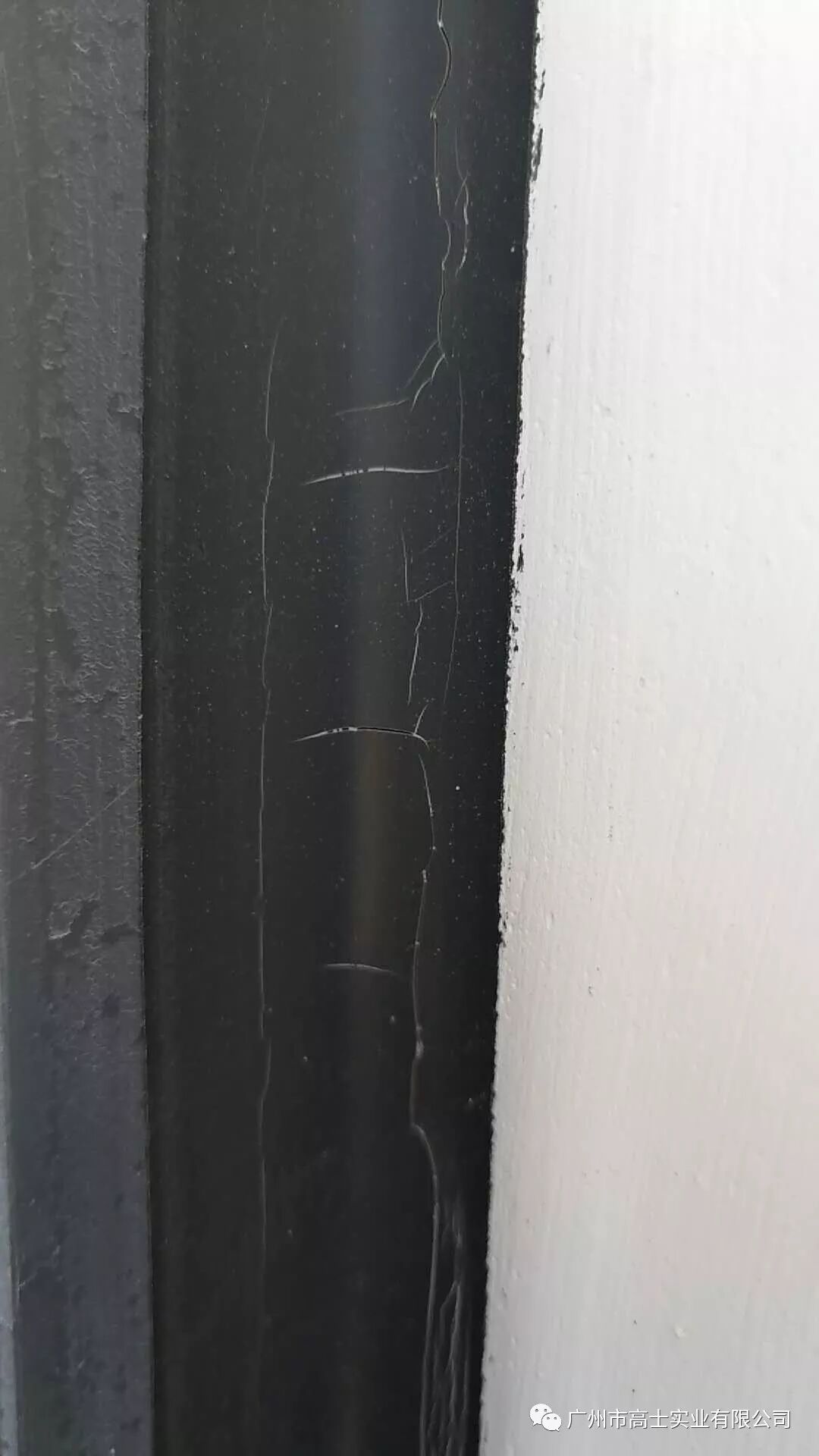

Reason ①:In the alternating seasons of spring, summer, autumn and winter, it often appears in aluminum-plastic panels and aluminum panel curtain wall projects. Because the temperature difference between day and night changes greatly, substrates with large expansion coefficients such as aluminum-plastic panels, aluminum panels or PVC are greatly affected by temperature. As the temperature increases and decreases, the material will expand and contract to varying degrees, and the sealant within the joint will also expand and contract. For fully cured sealant, it can withstand large displacement and deformation, but for incompletely cured sealant, its ability to withstand displacement and deformation is weak, and bubbling or cracking may occur.
Solution
(1) Users are advised that in seasons with large temperature differences between spring, summer, autumn and winter, it is best to perform glue injection construction on the sunny side when the temperature is low, that is, when the glue joints are large, and glue injection construction on the shade side at noon and when the temperature is higher in the morning and afternoon.
(2) It is recommended to build sunshades on the sunny side of the construction to avoid direct sunlight to avoid bubbling or cracking of the sealant.
(3) Construction cannot be performed when the ambient temperature is too low (below 10°C).
(5) Construction in summer avoids high temperatures.
Reason ②:The sealant is improperly selected and the displacement capacity cannot meet the requirements for joint displacement.
Solution:
Choose a sealant with appropriate displacement capacity. For example, aluminum panel curtain walls use high-displacement weather-resistant sealant, and door and window glue cannot be used.
Reason ③:During the early curing process of the sealant, the joint deformed too much.
Solution:
Choose glue that cures quickly. In the early stage of curing, there should be no joint deformation caused by external forces.


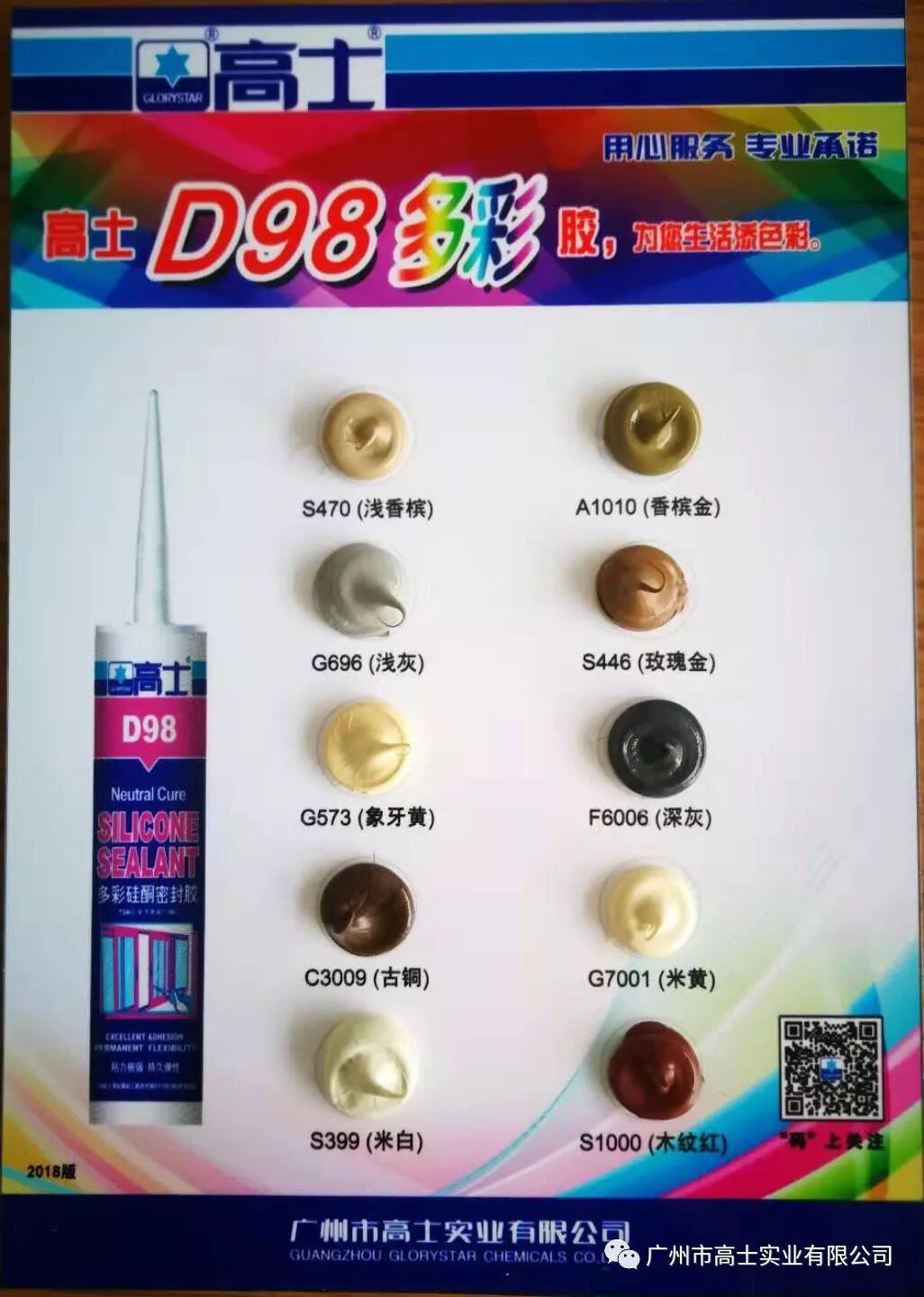

There are two main problems with tinting glue:
(1) The shelf life of glue is shorter than that of ordinary glue.
(2) The color of the cured glue will fade over time;
Optional:One is to choose good color paste; the other is to choose good quality tinting glue.
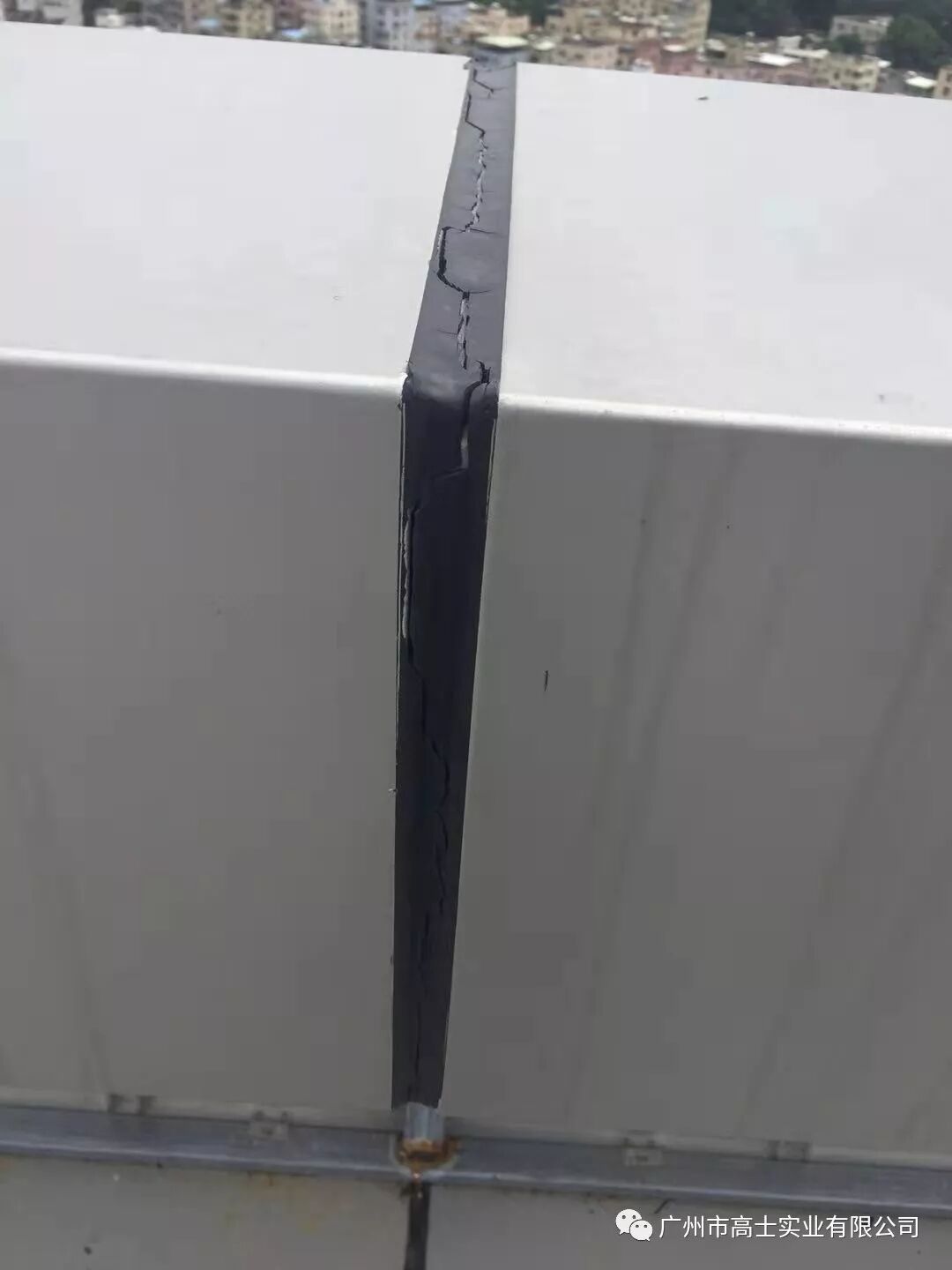
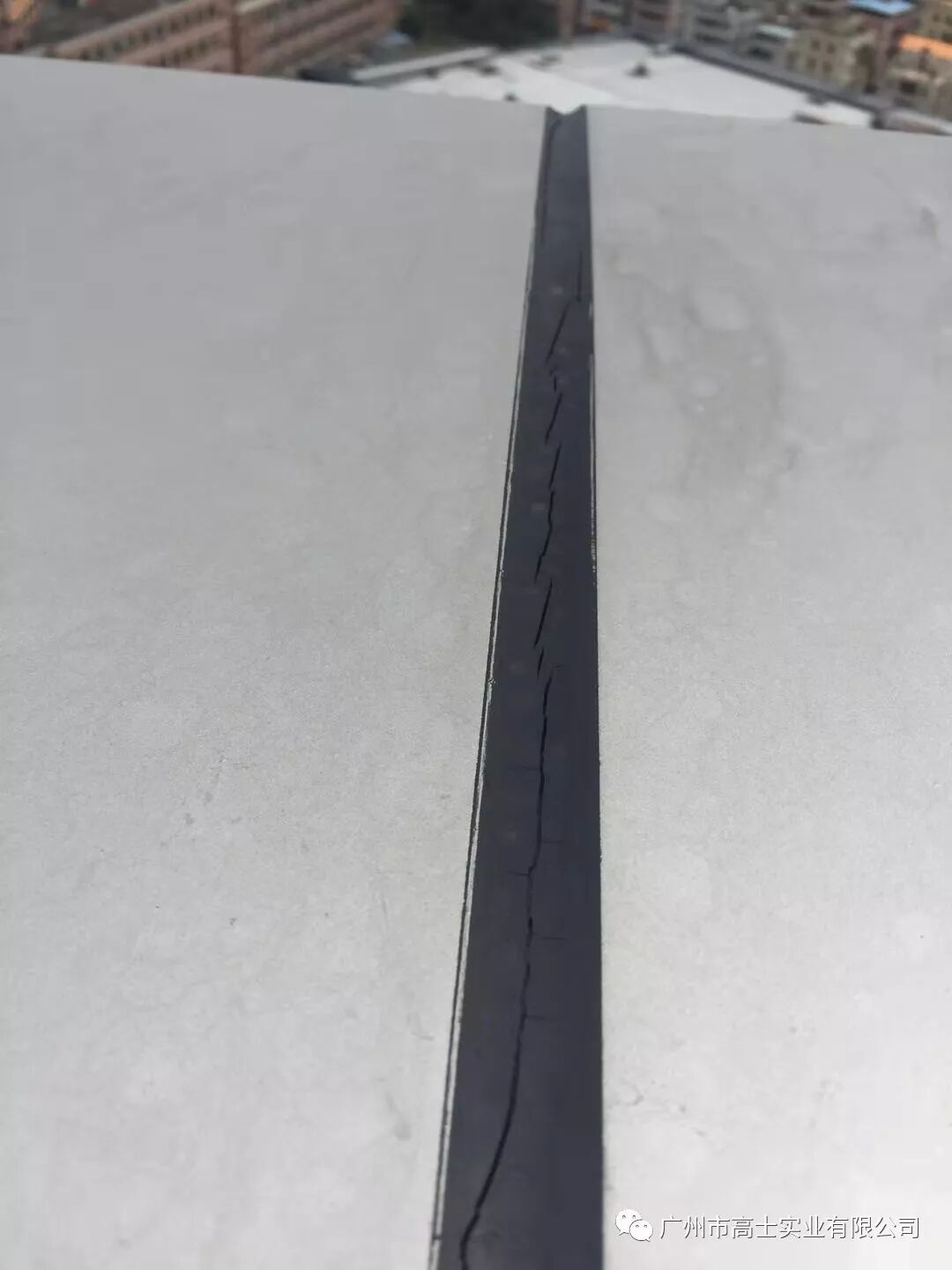

During use, the sealant for building joints needs to withstand the displacement changes in the joint width of the building joints caused by the external environment, so the displacement capacity is its main performance indicator. The movement capabilities of weather-resistant sealants for curtain walls are generally: level 20, level 25, level 35, level 50, +100/-50 level, etc. Level 35 means that it can withstand changes in the glue seam width between ±35%.
(1) Choose a weather-resistant sealant with appropriate displacement capacity based on the design of the glue joint.
To ensure the long-term durable sealing performance of weather-resistant sealants, the glue seams must be properly designed. If there are problems with the design itself, it will be difficult to ensure that there are no problems during use. The design of the glue seam mainly involves two aspects: the matching of the seam width and the glue displacement capacity, and the thickness of the glue seam.
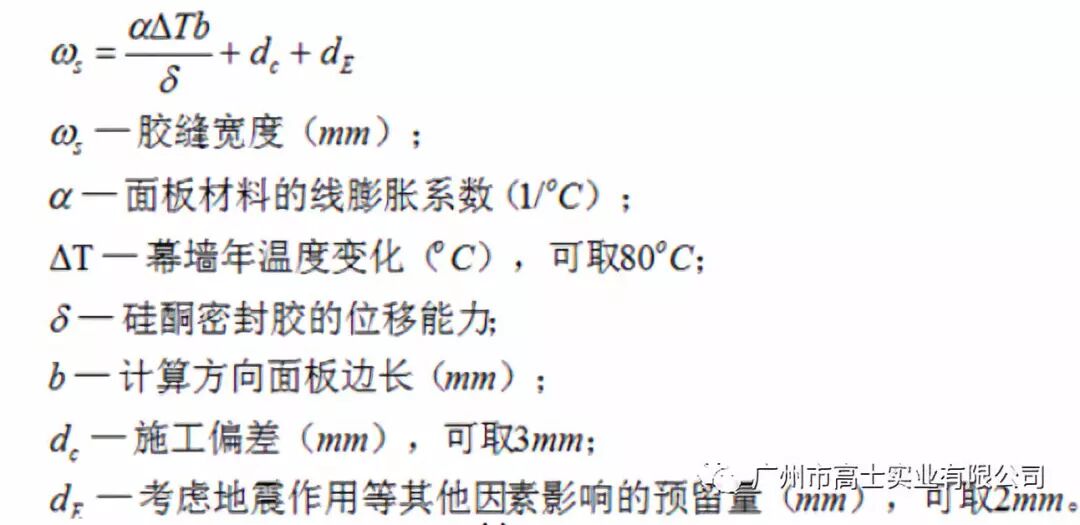
The width of the silicone weather-resistant glue joint should not be less than 6mm, and should meet the deformation requirements of the plate. The temperature difference deformation can be calculated in accordance with the “Technical Specifications for Glass Curtain Wall Engineering” JGJ 102 Section 4.3.9, the formula is as follows:
(2) Choose a weather-resistant sealant with higher displacement capacity
For example, if the glue joint size of a project is designed according to level 25, and a product with a displacement capacity of level 35 or higher is selected during construction, the sealing durability will be better, because the amount of glue joint displacement endured by the sealant has not reached the product’s limit value. During the actual construction process, it is inevitable that due to dimensional deviations in material processing or installation deviations, the local glue joints will be smaller than the designed width, as shown in the figure below. In this case, if the same displacement change occurs, the percentage change in width will increase compared to a glue joint with a smaller width. If a glue joint with a smaller width cannot withstand the displacement, it will easily cause local cracking and debonding. In this case, it is necessary to choose a weather-resistant glue product with high displacement capacity. Choosing products with high displacement capacity will provide better sealing and weather resistance and ensure the durability of curtain wall sealing.

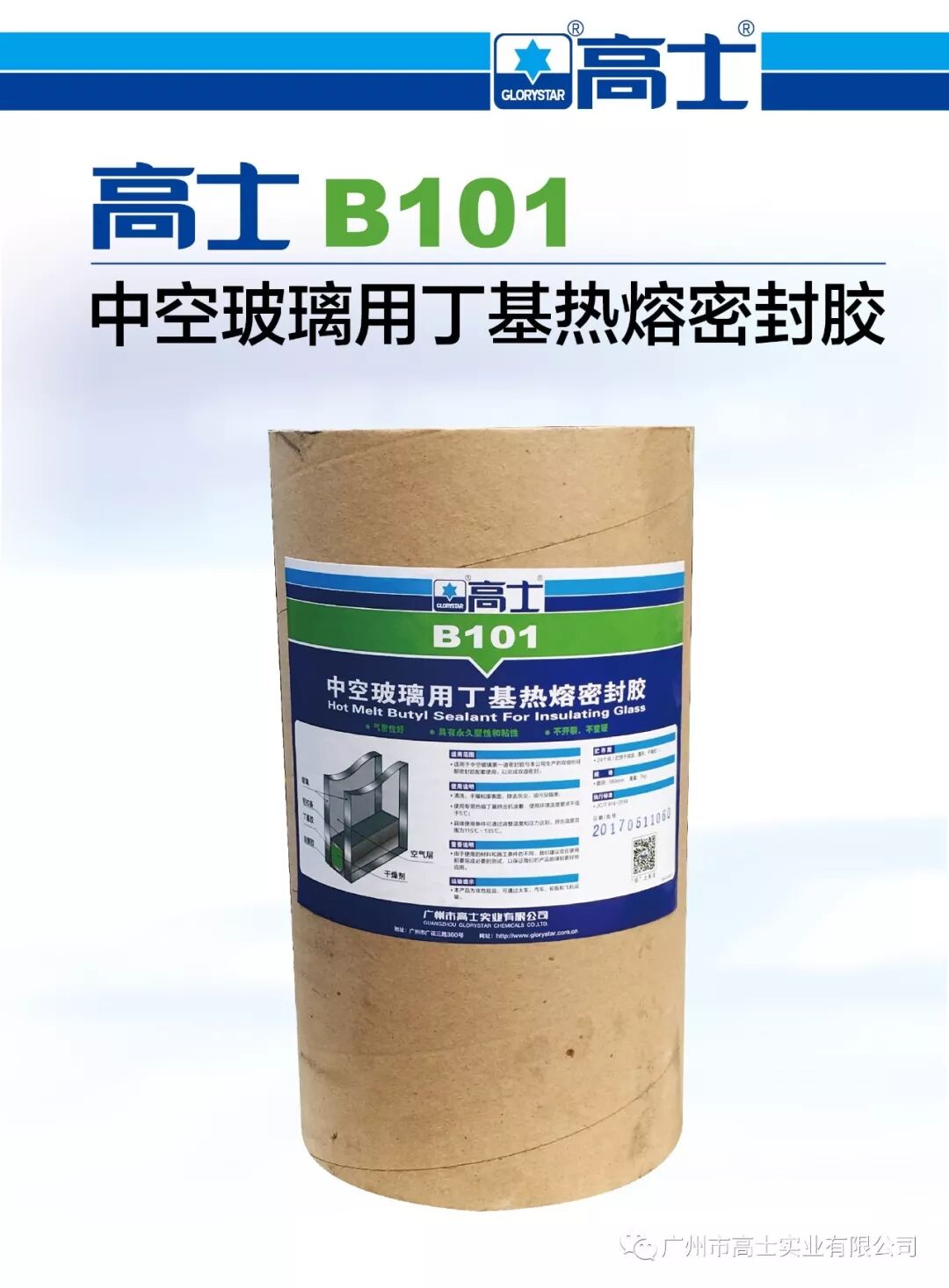

The sealing performance of insulating glass is usually ensured by a double sealing production process, that is, the first sealing is hot-melt butyl sealant, which mainly plays a sealing role; the second sealing is completed by polysulfide or silicone sealant. Because of its good elasticity, it plays an auxiliary sealing, buffering and protective role. The two complement each other and are indispensable.
The “tears” phenomenon of insulating glass is actually caused by the softening of the first sealing Latin base glue and flowing on the inner wall of the insulating glass;
The base material of butyl rubber is a uniform non-polar polymer composed of polyisobutylene and butyl rubber. When in contact with non-polar solvents (such as white mineral oil), the base material of butyl rubber will dissolve and flow;
Butyl glue flow may be caused by two reasons: First, because butyl glue is a hot-melt sealant, it may cause melt flow when it reaches a higher temperature; second, non-polar solvent (such as white mineral oil) dissolves.
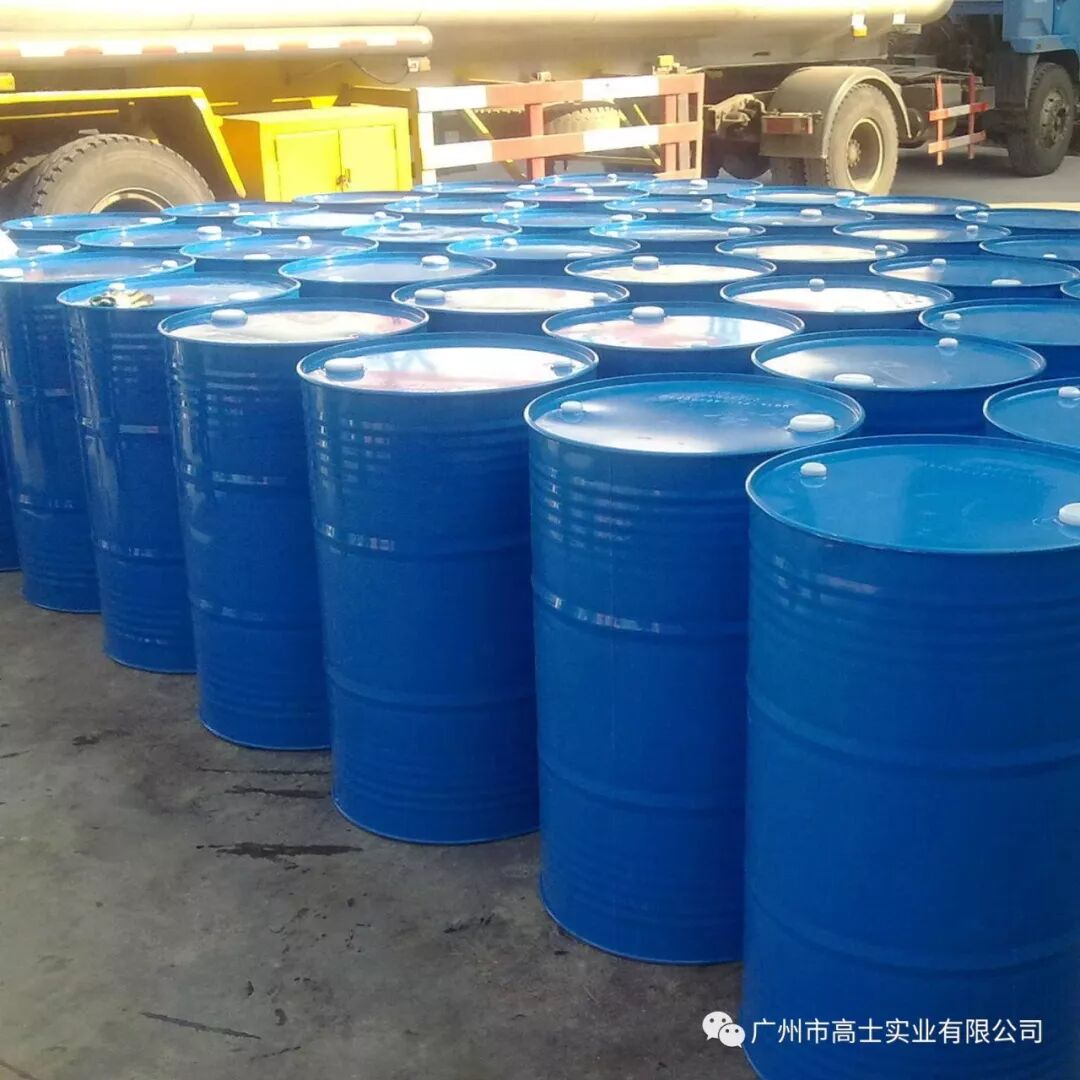

(1) “Oil-filled sealant” can be said to be a “cancer” that has been lurking in the silicone sealant industry for a long time (just like milk with melamine added), seriously endangering the safety of curtain wall doors and windows.
(2) When the “oil-filled sealant” was subjected to a 5000-hour UV aging test, the elasticity dropped sharply and the colloid hardened after only 500 hours of aging; after 3500 hours, serious adhesion problems also occurred, and the colloid fell directly from the surface of the base material.
(3) Cured “oil-filled sealant” often gives us the illusion that its elasticity is still good. However, after a period of use, the filled industrial white oil migrates and diffuses out of the sealant, eventually causing the sealant itself to harden, crack, or even become non-adhesive.
(4) The quality warranty period of current building curtain wall projects is usually not less than 3 years, and the warranty period of building curtain wall anti-leakage is longer, generally not less than 5 years. It usually takes half a year to 2 years for the industrial white oil in oil-filled sealants to evaporate, which means that the probability of various “complications” such as cracking and hardening of the sealant during the warranty period is almost 100%. When seams leak in the main body of the building, or even the panels fall off, high maintenance costs will inevitably occur. “Oil-filled sealant” seems to save material costs in the early stages of construction. In fact, through the conversion of service life and safe life, the price paid by the user is extremely high.
(5) “Oil-filled sealant” can also cause penetration pollution to aluminum plates, etc., and this pollution is different from vertical flow pollution. It is irreversible and cannot be removed by cleaning. Face-saving owners and designers who love beauty burst into tears when they see their works being stained by “oil-filled sealant”. Do they also regret it and feel blood dripping from their hearts?
(6) The oil-filled silicone weather-resistant sealant is in contact with the insulating glass, and the industrial white oil filled will also migrate and penetrate into the insulating glass, causing the butyl glue that seals the insulating glass to be dissolved, resulting in oil flow and rainbow phenomena. In other words, even if the glass is selected from the top brands, and the products such as energy-saving insulation, light transmission and heat insulation have perfect performance, it will still be damaged by the troublemaker “oil-filled sealant”.

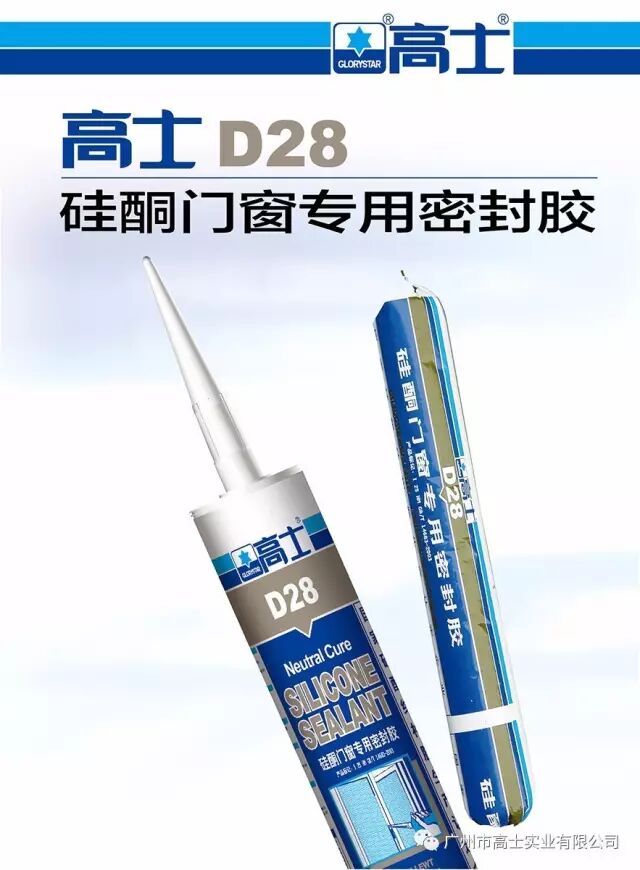

(1) Window sash sealant is applied to the window frame and glass. The main materials are aluminum alloy and glass to seal and waterproof. The window frame and glass are fixed, so the displacement ability of the glue is not high.
(2) Window frame sealant refers to the sealant used when installing doors and windows. It is mainly applied to window frames and walls to seal and waterproof. Walls and window frames will expand or contract with temperature changes. The window frame sealant has certain requirements for displacement capacity. It is recommended that the displacement capacity reach level 20 or above. In addition, the cement base material also has certain requirements for the bonding ability of the sealant.
(3) In summary, window frame sealant is more demanding than window sash sealant. Window frame sealant can be used on window sash, but not vice versa.

